TL;DR
Traveler behavior is shifting toward more intentional, personalized and digitally assisted stays. The key change for hotels is that guests are making decisions around purpose, trust, convenience and fit, so properties need to understand the job a trip is meant to do rather than market only by destination or room category.
The future of hotel stays is being shaped by a traveler who starts with a more specific reason for going. Rest, family connection, cultural interest, events, work flexibility, wellness and personal passions can all lead to different booking criteria even within the same destination. This makes broad demographic segmentation less useful on its own. Two travelers of the same age and income may want completely different stays because the purpose and emotional goal of the trip differ.
Trips are starting with purpose rather than place
Hilton's global 2026 research calls this the rise of the 'whycation': travelers are putting more weight on why they are taking a trip and what they want to feel or accomplish. The Hilton 2026 Trends Report surveyed more than 14,000 travelers across 14 countries and points to rest, reconnection, comfort and meaningful experiences as central themes. As brand research, it should not be treated as a universal rule, but it is a strong signal that hotel demand is becoming more motive-specific.
For properties, the implication is to merchandise the stay around use cases instead of listing amenities in isolation. A pool can mean family downtime, recovery after a road trip or social activity. A kitchenette can mean budget control, dietary flexibility or home routine. A quiet floor can be valuable to a business traveler, a solo guest or someone seeking sleep-focused wellness. The same asset can support different decisions when the property's content explains the benefit in context.
Personalization is becoming expectation management
Personalization used to be framed as recognition: remembering a name, a pillow preference or a favorite room. It is now expanding into expectation management before arrival. Travelers can compare more options, use AI tools to generate itineraries and filter properties by increasingly specific needs. Booking.com's 2026 Travel Predictions research, based on more than 29,000 travelers across 33 countries and territories, describes a move toward highly individualized trips and technology-supported planning.
That does not mean guests want hotels to infer everything about them. The stronger model is permission-based choice. Let travelers express what matters – quiet, accessibility, family configuration, pet needs, work setup, food preferences, arrival timing – and then make the response visible. Useful personalization reduces uncertainty. Intrusive personalization creates a new trust problem.
Discovery and booking are separating
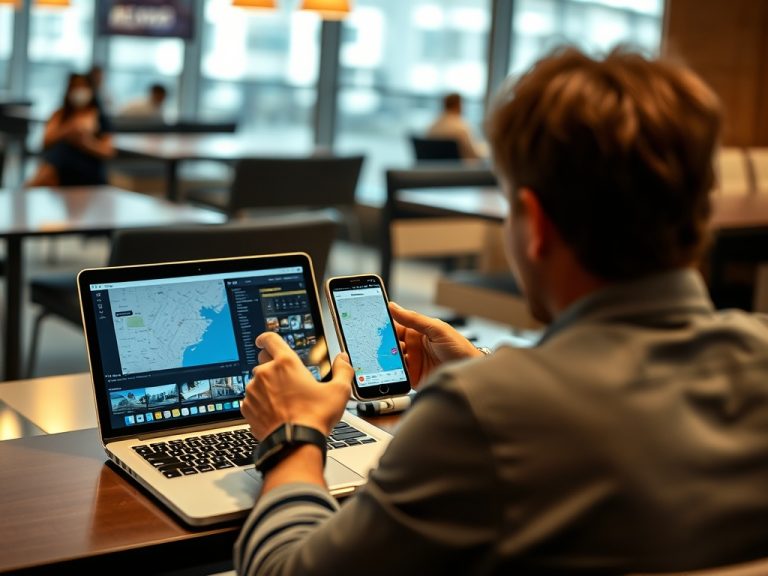
Another behavioral change is the widening gap between where travelers get ideas and where they transact. Social video, online travel agencies, search engines, maps, reviews and AI assistants can all influence a hotel choice. Expedia Group's 2026 AI Trust Gap research found that travelers are increasingly open to AI for inspiration and planning, while trusted travel brands still play a stronger role in booking and support. The pattern suggests that hotels should treat discovery and conversion as connected but different jobs.
A property can appear in an AI answer, a creator's itinerary or an OTA comparison and still win the direct booking later if the official site provides clear rates, policies, room details and reassurance. Conversely, a strong direct-booking offer will not help if the property is invisible or poorly represented during early research. The future stay begins across more surfaces, which makes consistent information and reputation signals more important.
Control and comfort are becoming compatible with exploration
Travelers are not simply choosing between adventure and familiarity. Many want both: a distinctive destination experience with reliable sleep, connectivity, food access and service recovery. This can explain why trusted brands and loyalty ecosystems remain relevant even as guests seek more individual trips. A familiar booking process or predictable room standard can reduce risk, leaving more mental space for local exploration.
Hotels can respond by identifying which elements should be consistent and which should be flexible. Safety information, cleanliness standards, payment clarity and core room function benefit from consistency. Programming, food, design, local partnerships and social spaces may benefit from stronger local variation. The right balance will differ by segment, but the strategic question is the same: where does the guest want control, and where do they want discovery?
A traveler-behavior framework for property strategy
1. Map the top trip purposes that actually bring guests to the property, using booking notes, review themes, website search behavior and front-desk feedback.
2. Translate amenities into outcomes. Explain who an amenity helps and under which stay scenario rather than relying on feature lists.
3. Audit the information travelers see across the official site, OTAs, maps and AI-readable web pages so policies and room attributes do not conflict.
4. Separate optional personalization from essential service. Guests should be able to decline data-driven features without losing basic convenience.
5. Measure behavior by journey stage: discovery, comparison, booking, pre-arrival, on-property use and post-stay advocacy.
This broader behavioral view connects directly with changing expectations for contactless service, because digital convenience increasingly works best as a choice rather than a replacement for human help. It also overlaps with rising demand for credible green stays, where guests may care about environmental performance but still expect comfort and clarity.
Behavioral signals should be measured at the property level
Global trend reports can help frame questions, but a hotel still needs its own evidence. Reservation notes, booking-window changes, length of stay, package uptake, ancillary spend, review themes and cancellation reasons can show how behavior differs by property. Front-desk and reservations teams can add qualitative context because they hear the questions that do not always appear in dashboards. A resort may discover that guests are extending stays for recovery days, while an urban hotel may see more blended work and leisure demand. The useful strategy comes from combining broad research with local behavior rather than copying a trend headline directly into the product plan.
Signals likely to matter through 2028
- More motive-based trip planning and packaging, with stays organized around recovery, family connection, events, hobbies or work-life blending.
- More AI-assisted research, but continued emphasis on trust, transparent policies and reliable support at the transaction stage.
- Higher expectations for flexible room configurations, quiet, connectivity and food options that preserve familiar routines.
- More guest control over how much personalization, messaging and automation they receive during the stay.
The next practical step for hotel teams is to stop treating 'the traveler' as a single persona. Build a short list of high-value trip purposes, test how well the property explains its fit for each one, and remove the friction that prevents guests from shaping the stay around their actual reason for traveling.