How Dentists Use Shade-Matching Technology for Crowns and Veneers
Shade matching for crowns and veneers combines objective measurement tools with the dentist's clinical judgment to select a ceramic color that blends naturally with surrounding teeth.
Key Takeaways
- Modern shade matching uses spectrophotometers and digital cameras alongside traditional shade guides.
- Natural lighting and the time of day affect shade perception — most dentists shade in the morning.
- Shade selection is a multi-step process that involves both the dentist and the dental laboratory.
- Patients have meaningful input into whether they want a natural match or a brighter result.
Why Shade Matching Is More Complex Than It Appears
Teeth are not a single flat color. Each tooth has zones — the cervical (near the gumline), body (middle), and incisal (cutting edge) — each with different translucency, saturation, and brightness. Enamel is semi-translucent; the underlying dentin determines much of the tooth's perceived color. Natural teeth also have surface characteristics like micro-cracks, texture variations, and staining patterns that affect how light reflects.
A dental laboratory technician crafting a crown or veneer works from the shade information the dentist provides. If that information is incomplete or inaccurate, even high-quality ceramics will produce a mismatch. This is why making old dental work match a whiter smile is such a common concern — earlier restorations were matched to teeth at a different point in time, under different tools and standards.
Step 1: Timing and Preparation
Dentists typically take shade before any dental work begins in the appointment — including before placing rubber dams, retractors, or working with bright operatory lights. Dehydration of the tooth surface from air drying or bright light can shift the apparent shade significantly (dehydrated teeth appear whiter than their actual hydrated color, which would then cause a mismatch once the restoration is placed).
Most clinicians prefer shade selection in the morning, with natural or controlled color-corrected lighting. The patient should rinse their mouth beforehand to remove food debris that affects shade perception.
Step 2: Traditional Shade Guides
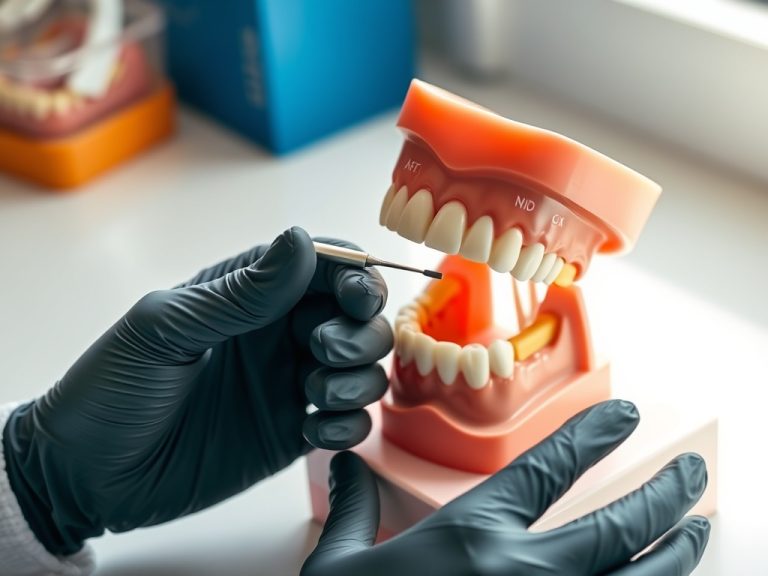
The VITA Classical shade guide — with shades grouped into A (reddish-brown), B (reddish-yellow), C (grey), and D (reddish-grey) categories — has been the dental industry standard for decades. A 2022 review in the Journal of Esthetic and Restorative Dentistry noted that despite newer digital tools, traditional shade guides remain widely used because they are fast, portable, and familiar to dental laboratory technicians worldwide.
The limitation of traditional guides is that shade selection is subjective — influenced by the observer's eye, lighting conditions, fatigue, and calibration drift. Two dentists using the same shade guide in different lighting conditions can reach different conclusions about the same tooth.
Questions About Dentists Use Shade-Matching Technology Crowns Veneers
For Dentists Use Shade-Matching Technology Crowns Veneers, this part of Questions About Dentists Use Shade-Matching Technology Crowns Veneers focuses on the symptom history, previous treatment, current medicines, and the result the patient values most while risks and alternatives are compared, with the same details verified before treatment is scheduled. The clinician should also explain which examination finding supports each recommendation and what information could change it for Dentists Use Shade-Matching Technology Crowns Veneers when the diagnosis is confirmed, using the examination and health history rather than a general assumption.
Clinical Checks for Dentists Use Shade-Matching Technology Crowns Veneers
For Dentists Use Shade-Matching Technology Crowns Veneers, this part of Clinical Checks for Dentists Use Shade-Matching Technology Crowns Veneers focuses on confirmed findings, measurements, imaging, and health-history factors when home-care instructions are prepared, with the same details verified before treatment is scheduled. The clinician should also explain what remains uncertain and whether another test or specialist opinion would alter the plan for Dentists Use Shade-Matching Technology Crowns Veneers when maintenance is discussed, using the examination and health history rather than a general assumption. Recording that explanation gives the patient a clearer next step for Dentists Use Shade-Matching Technology Crowns Veneers when home-care instructions are prepared, especially when follow-up duties are reviewed before treatment is scheduled.
Cost Planning for Dentists Use Shade-Matching Technology Crowns Veneers
An itemized estimate for How Dentists Use Shade-Matching Technology for Crowns and Veneers should separate diagnosis, preparation, the main procedure, temporary care, laboratory work, and follow-up. For How Dentists Use Shade-Matching Technology for Crowns and Veneers, confirm what is included, what could be added after new findings, and which payments are due at each stage when the diagnosis is confirmed.
Reliable Guidance for Dentists Use Shade-Matching Technology Crowns Veneers
When reading about How Dentists Use Shade-Matching Technology for Crowns and Veneers, check whether the information is current and whether it distinguishes general guidance from case-specific advice. Use background information on How Dentists Use Shade-Matching Technology for Crowns and Veneers to prepare questions, then let the examining dentist decide how it applies as the long-term result is reviewed. Patient education about How Dentists Use Shade-Matching Technology for Crowns and Veneers is most useful when it clarifies terminology, options, and warning signs without pretending to provide a diagnosis.
Step 3: Digital Spectrophotometry
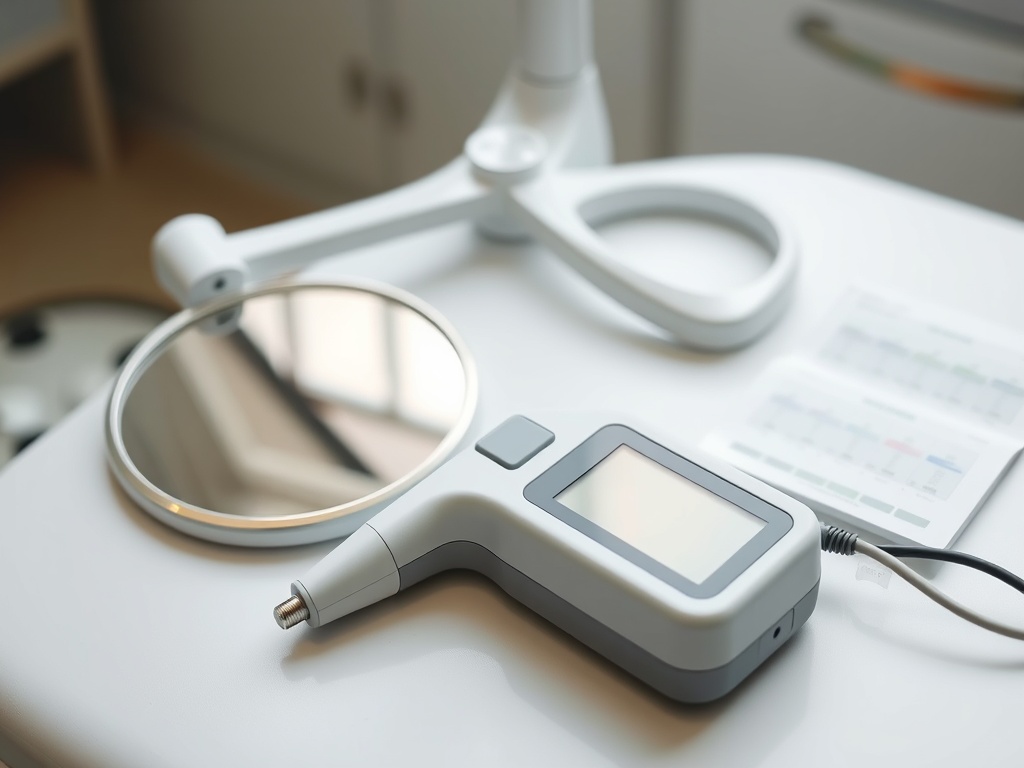
Spectrophotometers used in dentistry — such as handheld devices placed directly against the tooth surface — measure light reflectance across multiple wavelengths and convert the data into a standardized shade designation. These devices can also capture the shade distribution across the tooth's three zones. According to a review cited by the American Academy of Cosmetic Dentistry, digital shade matching consistently outperforms visual shade selection in controlled studies, reducing the incidence of remakes from shade mismatch.
Step 4: Digital Photography
Standardized clinical photographs — taken with a calibrated camera, consistent color temperature lighting, and a shade guide tab held adjacent to the tooth — serve two functions: they provide a visual reference the laboratory technician can use alongside the shade designation, and they create a baseline record for comparison after the restoration is placed.
Photographs taken on a smartphone under variable lighting are significantly less useful for laboratory communication than standardized digital camera images. Practices investing in digital dentistry workflows typically use a combination of spectrophotometry and standardized photography.
| Tool | How It Works | Best Used For | Limitation |
|---|---|---|---|
| VITA Shade Guide (traditional) | Visual comparison between guide tabs and tooth | Quick assessment; lab communication | Subjective; light-sensitive |
| Spectrophotometer | Measures light reflectance across wavelengths | Objective shade measurement; multi-zone capture | Device cost; technique-sensitive |
| Digital SLR photography | Standardized images with shade reference tab | Laboratory communication and documentation | Requires consistent setup and calibration |
| 3D smile scanners | Full arch scan with color mapping | Complex full-mouth cases | Not universally available |
Common Errors and How Good Practices Avoid Them
- Shading under operatory light only: Operatory lights are brighter and whiter than natural light; teeth shaded exclusively under them often appear lighter than in real-world conditions.
- Dehydrating the tooth before shading: Air drying or using a rubber dam before shade selection artificially lightens the apparent shade.
- Not communicating characterization to the lab: Surface details like hypocalcification spots, texture variations, or incisal translucency may need custom characterization instructions.
- Single-point shade measurement: A single shade designation for the entire tooth misses cervical-to-incisal variation.
Patients who are considering cosmetic restorations alongside orthodontic treatment should be aware that tooth shade can shift during orthodontic treatment — particularly with clear aligners. Our comparison of braces vs clear aligners touches on cosmetic timing considerations.
What Patients Can Expect and Contribute
Patients are not passive in shade selection. Most dentists will:
- Show you the shade guide options and ask whether you prefer a natural match or a brighter result.
- Photograph your smile before treatment for comparison reference.
- Offer a try-in restoration before final cementation to assess shade in real-world conditions.
If you want input into your shade outcome, the most effective time to express that preference is before the crown or veneer preparation appointment — not after the restoration has been manufactured. A good conversation at the treatment planning stage can prevent the mismatch concerns that arise later.
For those exploring digital dentistry tools more broadly, a virtual dental consultation can sometimes include a visual review of smile aesthetics before any clinical work begins.
[TABLE]