TL;DR
Hotel aesthetics are moving from a surface-level style choice to a broader experience signal. Guests increasingly respond to spaces that feel comfortable, locally grounded, functional and emotionally coherent, while properties have to judge design by how it supports the stay rather than how it photographs alone.
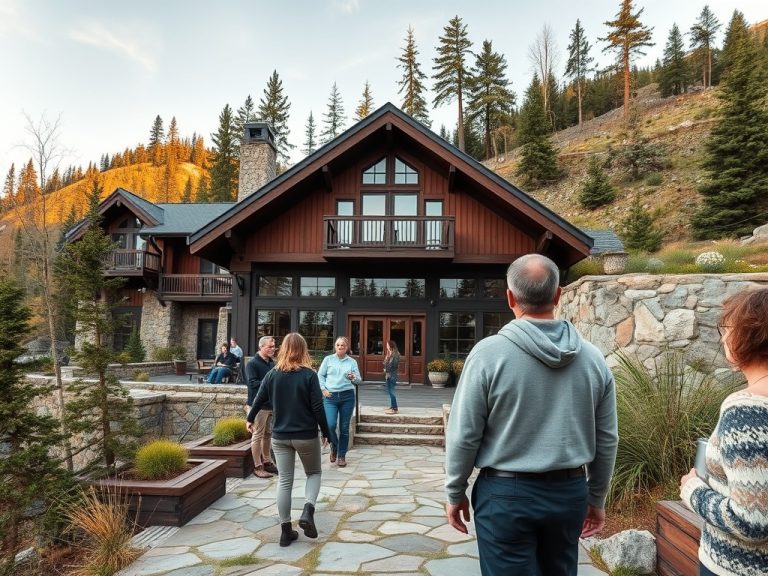
Guest expectations for hotel aesthetics are changing because travelers now encounter design before arrival, during the stay and again when they review or share the property. A room image can create the first impression, but the physical experience has to support that promise through comfort, lighting, acoustics, circulation, materials and a clear sense of place. The strongest shift is not toward one universal look. It is toward design that feels intentional and believable for the destination, price point and guest purpose.
Aesthetics are becoming part of the value equation
Recent research gives this shift more substance than a simple style forecast. A 2026 hospitality architecture study found that aesthetics, connection to local context and history, innovation, functionality and comfort were all desirable factors in hotel selection. That combination matters: visual appeal is being judged alongside practical performance, not separately from it. The 2026 Business Systems Research study supports the idea that guests can value design most when it helps a property feel distinctive without making the room harder to use.
This changes the investment case for owners. A dramatic lobby may still create social media visibility, but design spending is easier to defend when it also improves wayfinding, perceived calm, flexibility or maintenance. Guests can forgive a style that is not their personal favorite; they are less forgiving when beautiful spaces are noisy, poorly lit, difficult to work in or visibly worn. Aesthetics therefore become part of perceived value rather than decoration added after the operational plan is finished.
From photogenic rooms to emotionally coherent spaces
Hotel design in 2026 is becoming less about copying a recognizable luxury formula and more about shaping how guests want to feel. Gensler's 2026 hospitality analysis describes hotels as places for analog living, wellness and cultural immersion, while its hospitality experience work emphasizes transformation and personal meaning. That does not mean every property needs theatrical design. It means the sensory brief – sound, light, texture, temperature, privacy and social energy – is increasingly as important as the visual palette.
This is also why quiet design can compete with maximalism. One guest may want expressive public spaces and another may want a visually calm room after a crowded day. The common requirement is coherence. Materials, furniture, signage and technology should tell the same story and support the same guest need. Properties that chase unrelated trends can look current in isolated photographs but inconsistent in person.
Local identity is replacing generic luxury cues
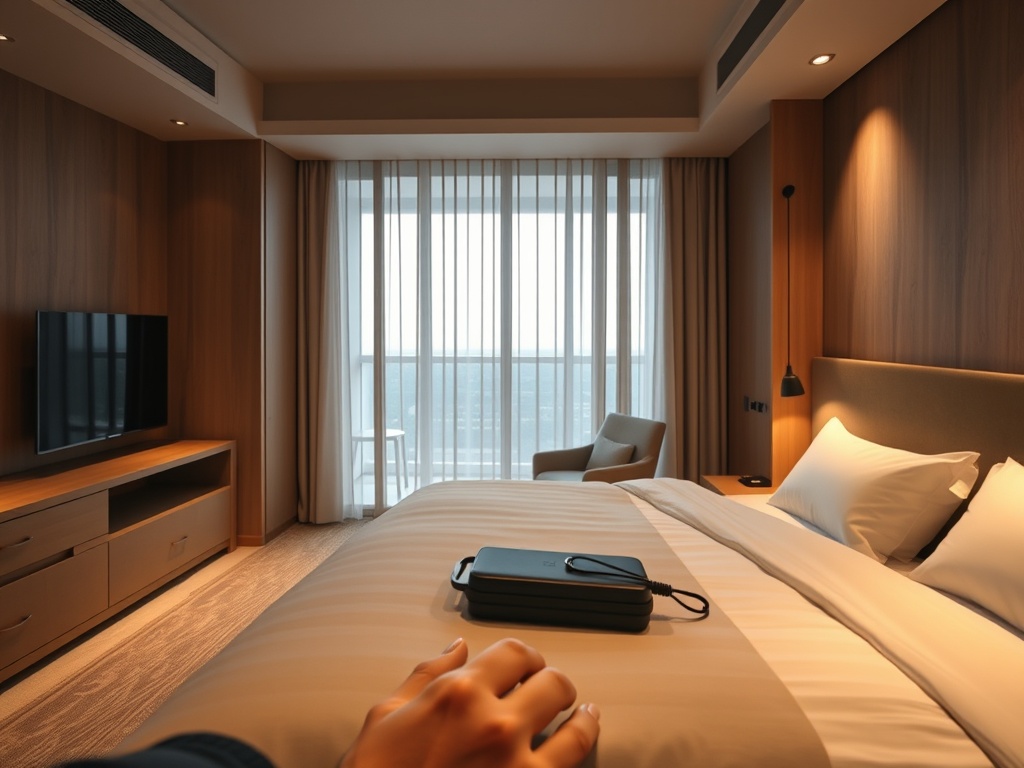
Travelers are also asking more of place-based design. Generic marble, neutral upholstery and decorative art can still look polished, but they do not automatically explain where a guest is. Local craft, climate-responsive materials, regional patterns, landscape references and adaptive reuse can create stronger location memory when they are handled with care. The goal is not to turn culture into a theme. It is to make the property feel connected to its setting in a way that a guest can understand without a placard.
This direction is consistent with broader traveler behavior. Hilton's 2026 Trends Report, based on a global traveler survey, describes growing emphasis on purposeful travel, comfort, connection and experiences that reflect personal motivations. For hotel teams, the useful interpretation is that aesthetics should support the reason for the trip. A wellness retreat, an airport hotel, a family resort and an urban lifestyle hotel may all need different visual priorities even if they target the same age group.
Reviews now judge design through function
Online reviews make the gap between concept and operation visible. Guests rarely separate design from usability when they describe a stay. They may mention a stylish room and, in the next sentence, complain about insufficient outlets, glare, poor storage, slippery bathroom floors or nowhere to open a suitcase. This is one reason the design conversation is moving toward details that survive daily use. A property strategy that treats those comments as isolated maintenance issues can miss the wider pattern.
Teams can improve decision-making by tagging design-related review themes: sleep quality, lighting, noise, bathroom ergonomics, work surfaces, storage, accessibility, temperature control, cleanliness perception and public-space comfort. The pattern is more useful than a single viral photo or one strong review. It can show which design choices are producing measurable friction and which are strengthening the property's positioning.
A design-response scorecard for property teams
| Signal | What to test | Why it matters |
|---|---|---|
| Visual promise | Compare booking images with the in-person room | Large expectation gaps can weaken trust |
| Comfort | Audit lighting, acoustics, seating and sleep setup | Aesthetic appeal does not compensate for daily friction |
| Sense of place | Check whether local references are specific and respectful | Distinctiveness is stronger when it is credible |
| Durability | Track visible wear and maintenance burden | A premium finish loses value when it ages poorly |
| Shareability | Review which spaces guests photograph organically | Useful as a signal, not the sole design objective |
The scorecard should be used with the property's target guest and price position in mind. An economy hotel does not need the same materials as a luxury resort, but it still benefits from visual clarity, durable finishes and intuitive room planning. For readers interested in the wider forces shaping stays, the shift toward purpose-led traveler behavior helps explain why a single aesthetic formula is becoming less effective. The operational side of the same issue is explored in how hotel operations are changing after the pandemic-era reset.
How renovation teams can validate aesthetic choices
A renovation team can test design assumptions before committing to a full rollout. Mock-up rooms, short guest interviews, staff walkthroughs and maintenance reviews can identify problems that renderings do not show. Housekeeping may spot finishes that are hard to clean; engineering may flag lighting or control systems that are difficult to maintain; guests may reveal that an attractive chair is uncomfortable for work. This kind of validation is especially valuable when a design trend carries a high replacement cost or depends on custom materials. The objective is not to remove creativity. It is to make sure the creative idea survives real occupancy, cleaning cycles and the needs of different travelers.
What to watch over the next 12 to 24 months
- More design briefs built around emotional outcomes such as calm, privacy, social connection and recovery rather than a single style label.
- Greater pressure to show local relevance without using generic cultural motifs or superficial storytelling.
- More attention to acoustic comfort, flexible furniture, accessible circulation and technology that disappears into the room rather than dominating it.
- Faster feedback loops between guest reviews, maintenance data and renovation decisions, especially for rooms where small usability problems repeat at scale.
The practical next step is to audit aesthetic decisions against guest purpose and operational reality. Look beyond what is visually current and ask which elements support comfort, function, place and durability. That approach is more likely to remain useful when the next design trend changes.