

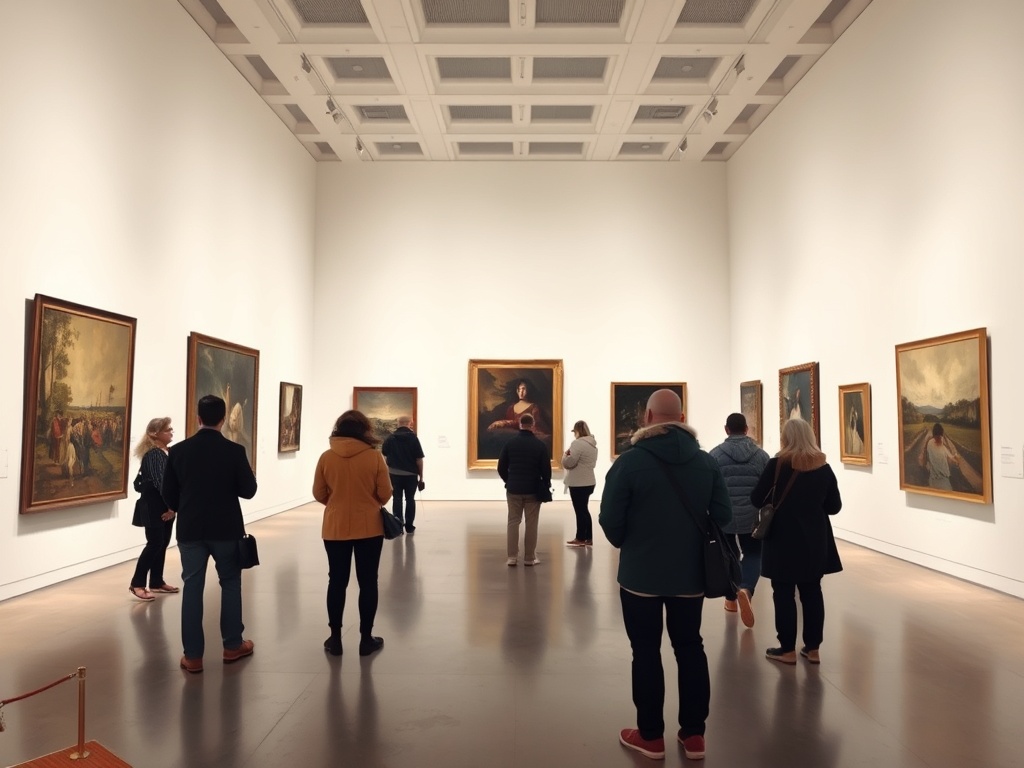
The most attended museum exhibitions are not always the ones that art critics rate most highly, and the most critically praised shows often don’t sell out. Understanding why reveals how museums actually operate at the intersection of culture and commerce.
📋 TL;DR
Blockbuster exhibitions are built for broad audience attendance and institutional revenue; critical favorites are built for depth, scholarly significance, and artistic distinction. Museums need both, but the selection criteria, marketing logic, and success metrics differ substantially. Knowing this helps visitors make better choices about which exhibitions to prioritize and how to read institutional hype.
How Blockbuster Exhibitions Work as Financial Instruments
A blockbuster exhibition—typically a large show featuring work from a famous artist or a widely recognizable topic—serves a specific institutional function. It attracts visitors who don’t regularly attend museums, generates earned revenue through admission, and creates opportunities for membership drives, corporate sponsorships, and retail sales.
Museums are not-for-profit institutions in most cases, but they operate within real financial constraints. A blockbuster exhibition can fund the operating costs that allow a museum to mount smaller, less commercially appealing shows throughout the year. The financial logic is similar to how film studios use franchise releases to fund smaller productions: the hits subsidize the risks.
This means the decision to mount a blockbuster show is partly artistic and partly economic. Curators and directors both have input, but institutional survival considerations are always present in the calculation.
Why Critical Favorites Often Attract Smaller Crowds
Critical acclaim in visual arts tends to track different values than popular appeal. Exhibitions that earn strong scholarly reviews often feature less familiar artists, experimental work, challenging installation formats, or historical material that requires contextual knowledge to engage with deeply.
These qualities are genuinely valuable—they’re what advances art-historical understanding and presents serious new arguments about artistic production. But they don’t reliably generate long queues at the door.
Many critically praised shows are also smaller in scale. A focused exhibition of prints from a single decade of a lesser-known artist’s career requires no marketing campaign comparable to a retrospective of a brand-name artist. The attention ratio reflects the investment ratio, not necessarily the quality ratio.
What Makes an Exhibition Critically Strong
Art critics evaluate exhibitions primarily on curatorial argument: does the show make a coherent, well-supported claim about the work it presents? Is the selection of objects evidence-based, or is it just the most famous pieces strung together without interpretive connective tissue?
Other criteria include installation quality (how the physical experience of moving through the show shapes understanding), catalog depth (the scholarly apparatus behind the exhibition), and whether the show contributes something genuinely new to art history rather than restating the known.
A blockbuster show featuring an artist with a huge popular following can satisfy these criteria—some blockbusters are also critically strong. But the correlation isn’t automatic, and high admission numbers don’t substitute for curatorial rigor in critical evaluation.

The Marketing Machine Behind Blockbusters
Major exhibitions now launch with campaigns that rival film releases in scale. Outdoor advertising, social media, branded merchandise, corporate partnership activations, and media previews all shape what’s visible to potential visitors before the show opens.
This marketing creates attendance that can become self-reinforcing: a highly visible show attracts visitors who tell others, driving further attendance. But it also inflates expectations that the exhibition itself may or may not fulfill.
For visitors trying to allocate limited museum time and money, recognizing that marketing visibility is a budget signal—not a quality signal—is useful. Exploring what critics and scholars say about a show, rather than what the museum’s own promotional materials say, provides a more accurate picture of what the experience will actually involve.
When Blockbusters and Critical Favorites Converge
The shows that generate both attendance records and critical respect are relatively rare and tend to be remembered as defining exhibitions in institutional history. These convergences typically involve an artist whose popular recognition and art-historical significance have developed together over time, combined with curation that justifies the retrospective rather than simply capitalizing on existing fame.
Identifying these shows in advance is difficult; they’re usually recognized as exceptional in retrospect. But following museum publications, critic blogs, and art press coverage—rather than relying on general media—can surface early signals.
Institutions like The Art Newspaper offer independent critical assessment of major exhibitions that sits outside the museum’s own promotional frame. Cross-referencing institutional promotion with independent criticism is the most reliable way to calibrate a visit.
Using This Knowledge as a Visitor
If you have limited time for museum visits, thinking about what you want to get out of the experience helps frame which kind of exhibition to prioritize. Blockbuster shows often provide the most accessible, context-rich entry point into an artist or period—especially for visitors who are newer to the visual arts. The catalog and wall text have been developed for broad comprehension, and the crowds, while sometimes frustrating, create a sense of shared cultural event.
Smaller, critically praised shows offer depth, intimacy, and the chance to encounter work that hasn’t been filtered through mass-market presentation. They also tend to have shorter queues and more room to spend extended time with individual objects—which is often where the most rewarding museum experiences happen.
Related explorations of visual arts, including how to develop a closer looking practice, are covered in discussions of how access and availability shape cultural consumption—the dynamics are different in form but structurally similar in how institutional and market pressures shape what gets attention.
Seeing Beyond the Queue
The line outside a museum is not a quality indicator. Seek out both kinds of shows—for different reasons and with different expectations—and use independent critical sources to calibrate what you’ll find inside.