
TL;DR
Nature-first hospitality is shifting from simply offering a scenic setting to designing the entire stay around meaningful access to nature, restorative quiet and responsible stewardship. Guests may value nature more when the property protects the landscape, reduces friction and makes outdoor connection feel authentic rather than staged.
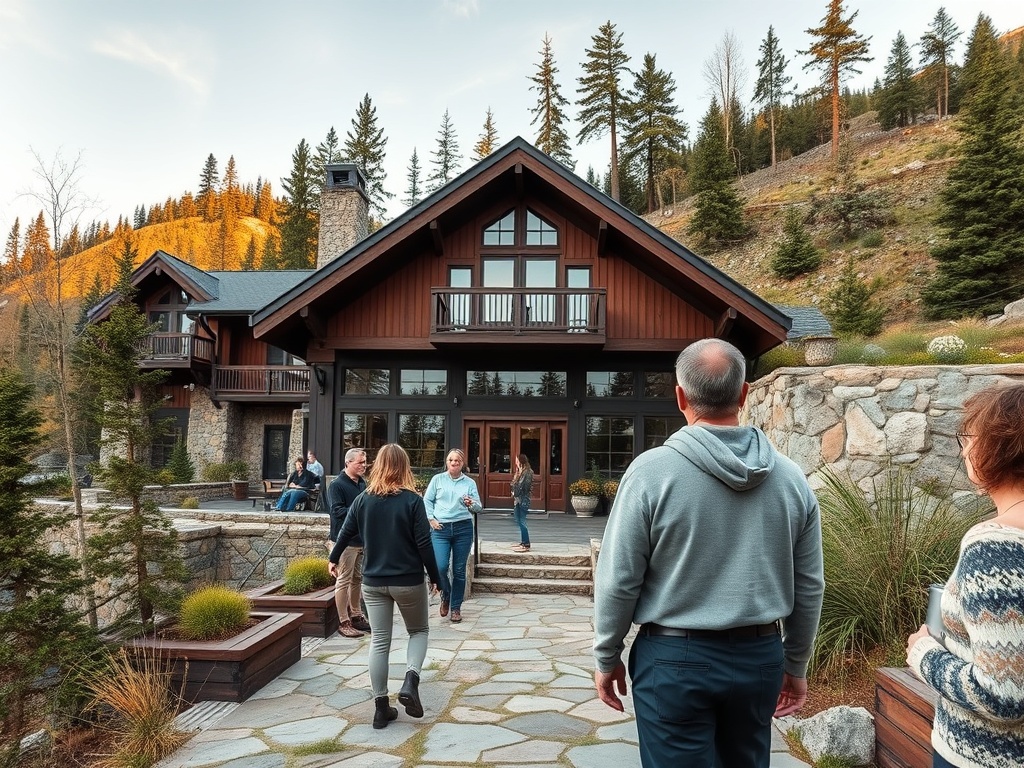
Nature-first hospitality is being redefined by guests who want more than a room with a view. The demand increasingly includes quiet, outdoor access, local landscape, wellness, lower-impact activities and a sense that the property belongs in its setting. This is especially relevant for mountain lodges, glamping sites, eco-lodges and adventure resorts, but urban and suburban hotels can also respond through gardens, biophilic spaces and better connections to nearby green areas.
Nature is moving from backdrop to core product
Hilton’s 2026 ‘hushpitality’ research found that rest and recharge was the top leisure-travel motivation in its global survey, with spending time in nature also ranking prominently. Because the research is produced by a hotel brand, the exact percentages should not be generalized to every market. The more useful signal is that nature, quiet and mental restoration are increasingly connected in traveler motivations.
For a property, that means nature should be considered in the guest journey, not only in marketing photographs. Arrival timing, trail information, outdoor seating, weather guidance, lighting, noise, windows, views, gear storage, drying space and food schedules can all determine whether the guest can actually use the surrounding environment. A spectacular location can still produce a frustrating stay if the hotel makes access complicated.
Restorative experiences are becoming more specific
Nature-first does not always mean high activity. Some travelers want hiking, cycling or wildlife viewing; others want silence, slower mornings, stargazing or simply a room that opens to fresh air. Properties can avoid overprogramming by offering clear choices and self-guided options. The guest should be able to understand the level of effort, accessibility, weather exposure and equipment required before committing.
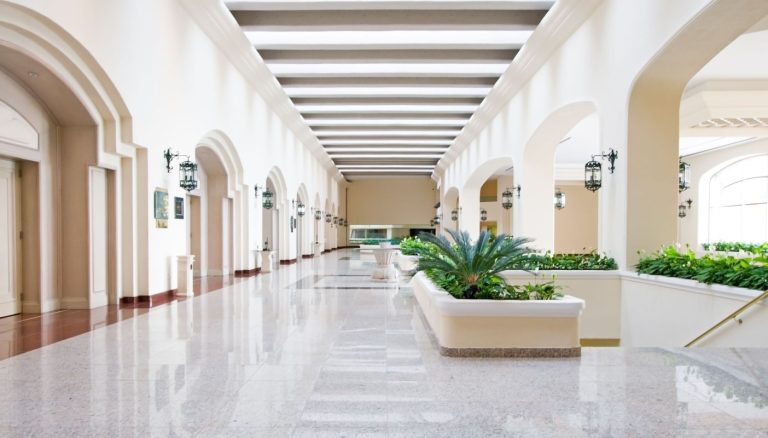
This is where the trend overlaps with changing expectations for hotel aesthetics. Natural materials and greenery can support a restorative atmosphere, but visual cues alone are not enough. A lobby full of plants does not create a nature-first stay if outdoor spaces are inaccessible, biodiversity is harmed or the building produces unnecessary noise and light in a sensitive landscape.
Stewardship is becoming part of the experience claim
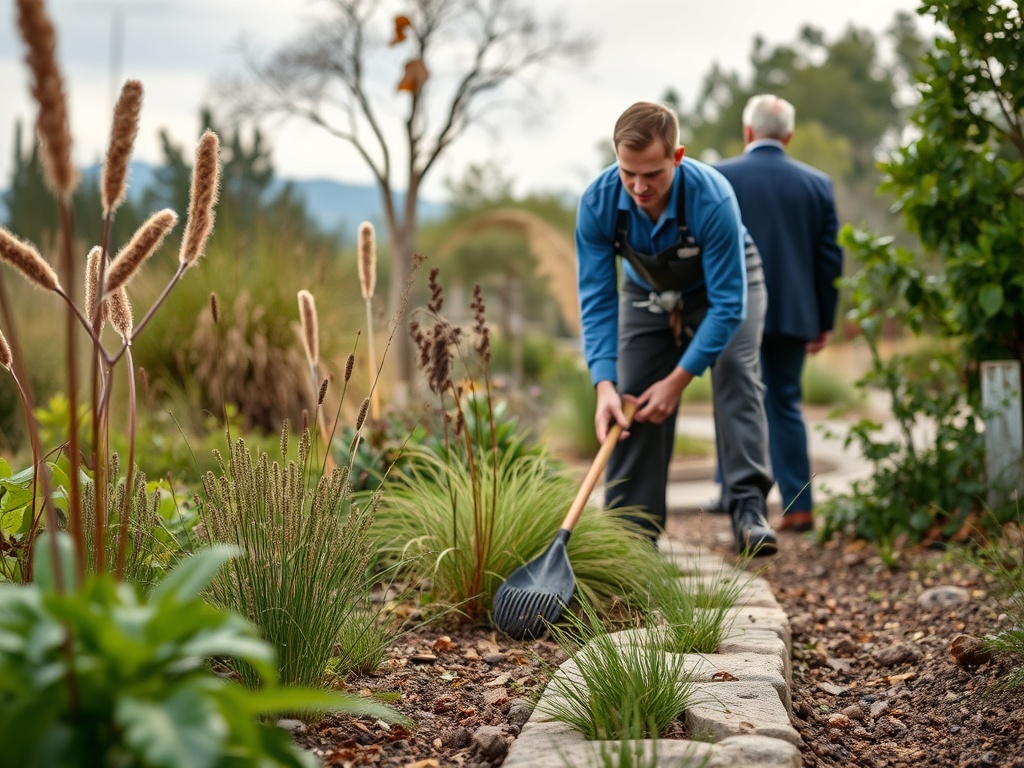
The nature positive tourism partnership, involving wttc, un tourism and the World Sustainable Hospitality Alliance, provides guidance on reducing negative impacts on nature and supporting biodiversity. This shifts the conversation from ‘eco-looking’ design to measurable stewardship. Hotels in nature-dependent destinations can consider habitat disturbance, water use, waste, wildlife interactions, supply chains and the pressure guests place on trails or fragile sites.
Guests may not ask for a biodiversity plan by name, but they can notice the consequences of poor management: litter, overcrowding, damaged landscapes, artificial wildlife encounters or excessive vehicle traffic. Responsible operations can therefore protect both the destination resource and the quality of the guest experience.
Authenticity matters more than outdoor spectacle
Nature-first hospitality can become performative when properties manufacture a wilderness image that does not fit the place. Authenticity is usually stronger when activities, materials, food and storytelling are connected to local ecology and community knowledge. A lodge does not need to promise untouched nature if it is located near a busy town; it can instead make honest access to local landscapes part of the stay.
The same principle applies to wellness. Nature may support relaxation, but properties should avoid making medical claims unless they are supported by appropriate evidence. It is safer and more useful to describe the environment and experience accurately: quiet rooms, shaded outdoor space, guided walks, natural light or access to trails.
Climate and resilience are reshaping nature-led design
Properties in fire, flood, storm, heat or water-stressed areas have to reconcile guest access with resilience. Shade, drainage, wildfire planning, water efficiency, backup power and seasonal closures may become part of the design and operating brief. Those measures can feel less romantic than an infinity pool or outdoor bath, but they determine whether a nature-first property can operate responsibly over time.
The latest gstc hotel standard includes sustainability planning, community benefits, cultural heritage and environmental impact, including biodiversity. For travelers, third-party standards can help distinguish broader management systems from a narrow set of green features. For operators, they provide a structure for documenting practices rather than relying on vague claims.
A nature-first property checklist
- Make outdoor access easy to understand, including distance, difficulty, seasonality, mobility needs and weather constraints.
- Reduce avoidable noise and light spill where the surrounding ecosystem or guest expectation calls for it.
- Design storage and cleaning processes for outdoor gear so adventure use does not create operational friction.
- Use credible guidance for wildlife, trail and biodiversity practices rather than inventing guest activities around sensitive species.
- Connect sustainability claims to documented actions, especially water, waste, energy, habitat and local sourcing.
The related shift in guest demand for green stays shows why nature experience and environmental proof are increasingly connected. Travelers can enjoy scenic settings while also questioning how the property manages its footprint.
Nature-first stays need capacity management
A property can damage the experience it sells when too many guests use the same trail, viewpoint, beach access point or wildlife area at once. Capacity management can therefore become part of hospitality design. Timed departures, small-group guiding, shuttle schedules, alternative routes and clear low-impact behavior can spread use without turning the stay into a rigid program. The right approach depends on local ecology and regulation, so operators should work with credible local experts rather than inventing limits for marketing effect.
Capacity decisions can also improve guest satisfaction by reducing crowding and uncertainty. A nature-first property should explain when access is limited by weather, conservation rules or safety conditions and offer reasonable alternatives. Honest constraints can strengthen trust because they show that the landscape is being managed as a real place, not treated as an unlimited backdrop for consumption.
Seasonality should be part of that promise as well. A property that markets nature year-round should explain when trails close, wildlife patterns change, snow or rain affects access, or outdoor facilities are unavailable. Accurate seasonal framing helps guests choose the right time and reduces pressure to create artificial substitutes for experiences the landscape cannot responsibly provide.
The future is less staged and more place-responsive
Over the next 12 to 24 months, nature-first hospitality is likely to become more specific: quieter stays, stronger local interpretation, more visible stewardship and better climate adaptation. The practical next step is to walk the guest journey from arrival to outdoor use and identify where the property either enables or blocks the connection to nature it promises.