
Hotel safety expectations are broadening from visible security and cleanliness to a more complete sense of confidence: accessible rooms, reliable emergency planning, secure personal data, clear pre-arrival information and staff who can respond calmly when something goes wrong.
Guests judge hotel safety through many small signals. Door and window security, lighting, fire systems, staff presence and cleanliness still matter, but so do accessibility, privacy, emergency communication and the accuracy of information provided before arrival. The change is not that travelers expect a hotel to eliminate all risk. They expect the property to identify foreseeable risks, communicate clearly and respond competently.
Safety is becoming a confidence system
Government travel guidance treats lodging safety as a combination of property features and traveler preparation. The U.S. department of state’s lodging safety guidance recommends that travelers consider factors such as staffed lobbies, security measures and special-facility needs before booking. For hotels, the strategic lesson is that safety starts before check-in. Guests need enough verified information to judge whether the property fits their needs.
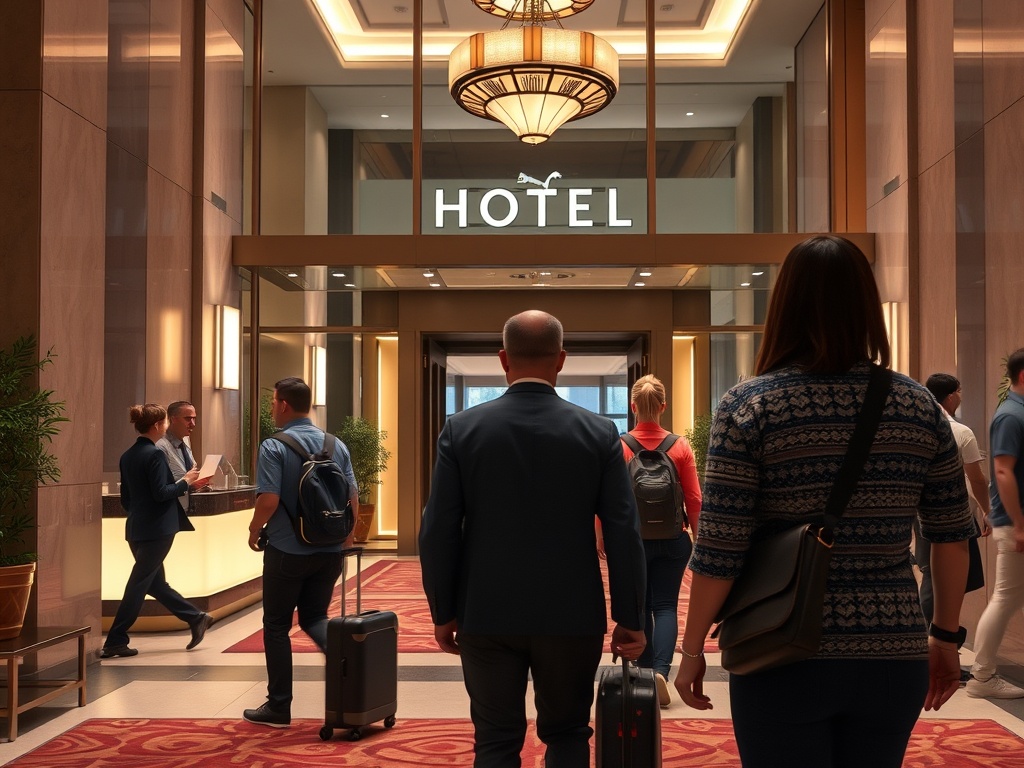
This is particularly important for travelers arriving late, traveling alone, visiting an unfamiliar destination or managing a disability. Clear transport guidance, staffed-hour information, parking instructions, entrance details and emergency contacts can reduce uncertainty without creating fear-based marketing.
Accessibility is part of safety, not an add-on
A guest cannot feel secure if they cannot reliably move through the room, use the bathroom or receive an emergency alert. In the united states, the ada accessibility standards include requirements for transient lodging guest rooms with mobility and communication features. Legal requirements vary by country, but the broader principle is universal: accessibility information should be accurate enough for a traveler to make a safe booking decision.
Hotels should avoid vague labels such as ‘accessible room’ when the practical features are what matter. Bed clearance, bathroom layout, roll-in shower configuration, visual alarms, elevator access, route from parking and pool access may all affect fit. Staff should also know how to verify those details rather than relying on a generic room code.
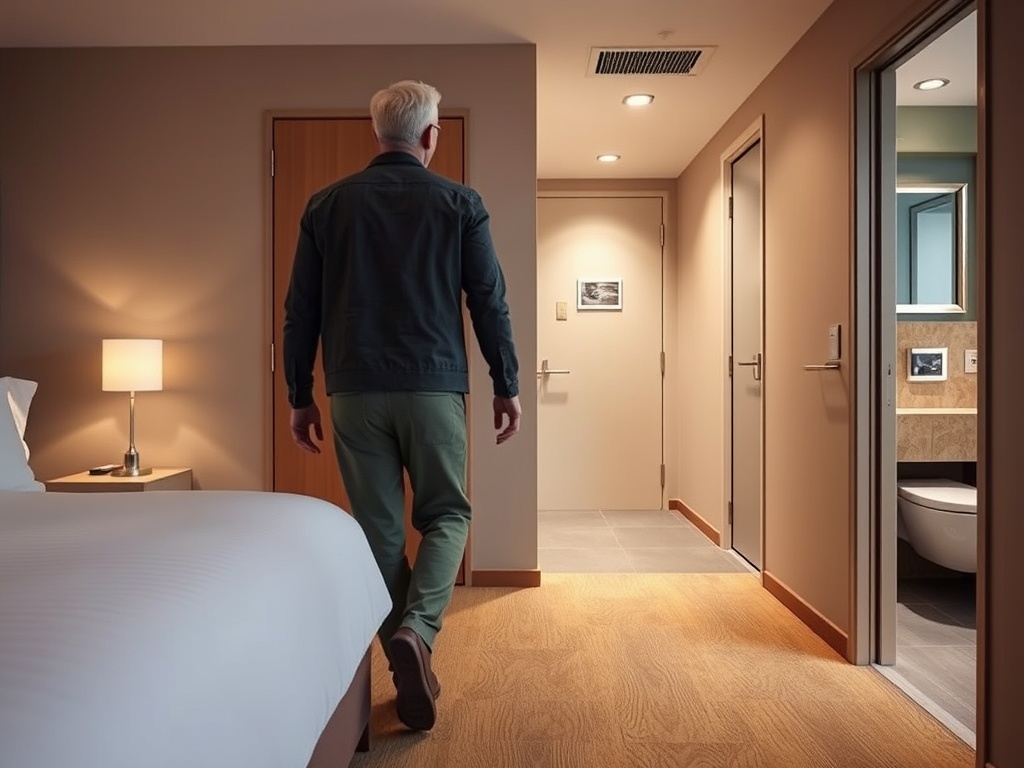
Health and cleanliness expectations are becoming calmer and more routine
Pandemic-era cleaning theater has faded, but baseline health and cleanliness expectations have not. ahla’s safe stay initiative continues to frame hotel safety, security and health as an industry-wide operating concern. In practice, guests may respond more to visible consistency – clean high-touch areas, well-maintained ventilation, prompt housekeeping response and clear illness policies – than to excessive signage or performative sanitizing.
The goal is reassurance without making the property feel clinical. Hotels can build safety into standards and training, then communicate only the information guests need. This approach also reduces the risk of promising a specific health outcome that cannot be guaranteed.
Digital privacy is now part of the room-key conversation
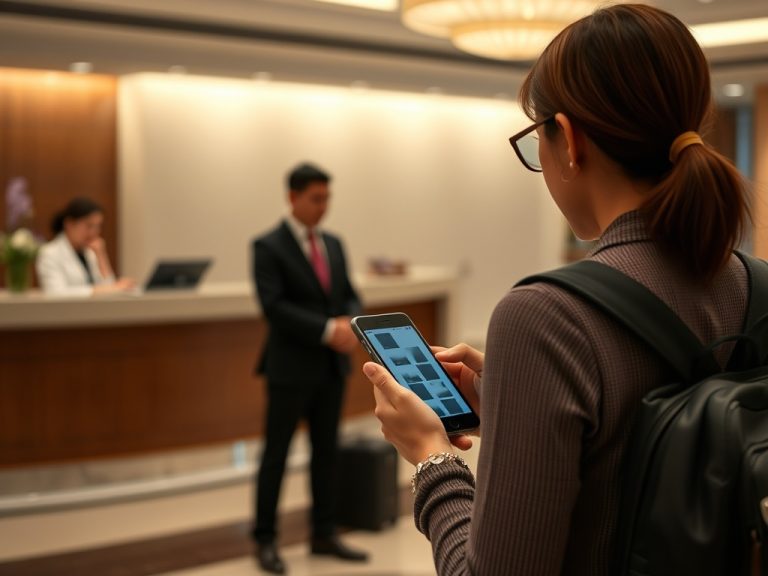
As mobile keys, apps, messaging and connected-room devices expand, safety also includes data handling. Guests may reasonably expect the hotel to protect account, payment and identity information and to explain optional data-driven features. Properties should minimize unnecessary data collection, keep vendor access controlled and provide a manual alternative when a guest does not want to use a specific digital service.
This is one reason contactless service expectations are becoming more nuanced. A mobile key can feel safer and more convenient to one guest while another may prefer a physical key and front-desk interaction. A robust safety model supports both where operationally feasible.
Emergency readiness is a service capability
Fire, severe weather, power outages, medical incidents and local security events are low-frequency but high-consequence situations. The guest experience during an emergency depends on staff training, accessible alerts, clear evacuation routes, backup communication and authority to make decisions. Safety planning should therefore be treated as an operating process that is practiced and updated, not a binder that sits in an office.
Properties can review scenarios with local authorities, test communication trees and confirm how they will assist guests with mobility, hearing, vision or language needs. The more complex the resort footprint, the more important zone-specific plans become.
What guests may increasingly expect to verify
| Before booking | On arrival | During disruption |
|---|---|---|
| Accurate accessibility and entrance details | Clear wayfinding and staffed support | Accessible alerts and assistance |
| Parking and transport information | Well-lit public circulation | Consistent emergency instructions |
| Key policies and contact channels | Secure room access | Fallback when digital systems fail |
| Relevant local risk information | Visible maintenance and cleanliness | Prompt, calm staff communication |
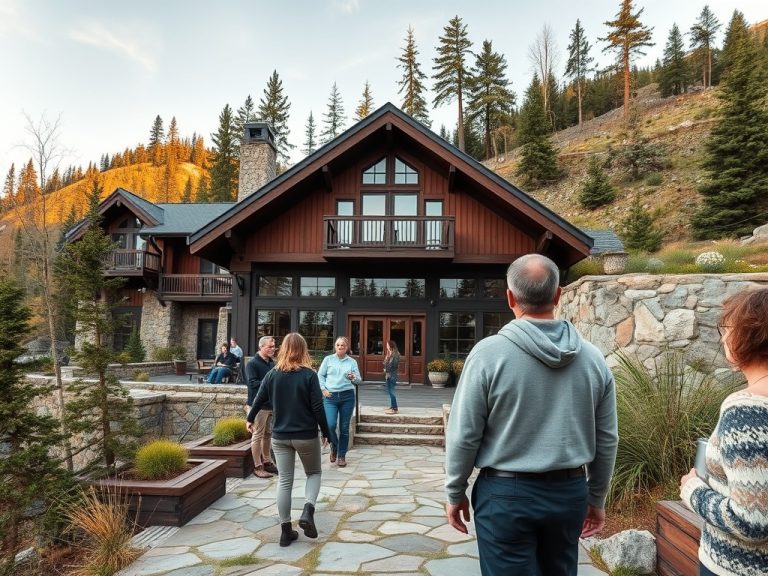
Safety expectations also connect with nature-first hospitality, particularly where guests depend on weather, trails, water activities or remote access. A beautiful setting can require more detailed risk communication, not less.
Safety communication has to work across language and channel
International and multigenerational travel increases the range of communication needs a hotel may encounter. Emergency instructions, accessibility details, transport guidance and evacuation information should not depend on one spoken language or one smartphone app. Properties can use clear symbols, translated core instructions, visual alerts and staff escalation procedures while verifying that critical translations are accurate. The goal is not to translate every marketing page. It is to make high-consequence information understandable when a guest is tired, stressed or unfamiliar with the building.
Channel redundancy matters for the same reason. An emergency message may need to reach guests through in-room systems, mobile messaging, public-address systems and staff contact, depending on the event. A hotel should know which guests may not receive a given channel and how the team will compensate.
Safety reputation is built before a crisis
Most guests will never experience a major incident, so they judge safety through routine competence. A working lock, a well-lit corridor, a prompt response to a maintenance concern and a staff member who can explain an accessible route all contribute to trust. Reviews can reveal these signals indirectly through comments about feeling comfortable, being helped late at night or finding the property easy to use. Hotels should monitor those themes without turning isolated anecdotes into claims about guaranteed safety. The stronger approach is to treat routine reliability as evidence that the systems behind the scenes are functioning.
Hotels can strengthen this system by documenting ownership. Security, engineering, front office, housekeeping and technology teams may each control part of the safety experience. A clear escalation map helps employees know who makes decisions, who communicates with guests and who records the incident. That clarity can shorten response time when a situation crosses departmental boundaries.
Trust grows when safety information is specific
Over the next 12 to 24 months, hotel safety is likely to be judged more holistically across physical security, accessibility, health, data privacy and resilience. The next step for a property is to audit the questions a risk-aware guest would ask before arrival and make sure staff and digital channels can answer them accurately without exaggeration.