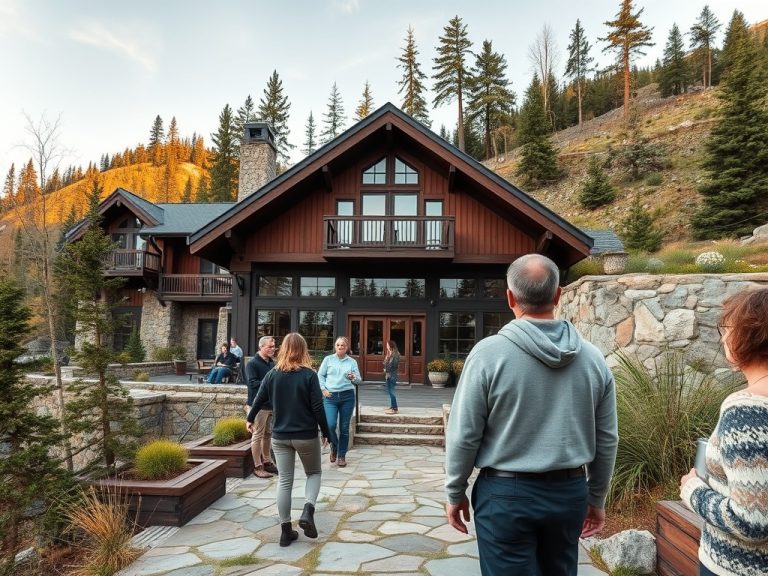


Green hotel demand is changing because sustainability language is becoming easier to question. Travelers can see labels across booking platforms, corporate travel tools and property websites, but the meaning of ‘eco-friendly’ varies widely. At the same time, regulation and industry standards are pushing environmental claims toward more specific evidence. The result is a market where proof matters more than tone.
Green claims are moving from promise to verification
In June 2026, WTTC announced that its Hotel Sustainability Basics program would transition toward independent third-party certification aligned with evolving requirements for environmental claims. The wttc certification announcement said more than 8,000 hotels across 85 countries had adopted the program. That number describes participation in the initiative, not a measure of guest demand, but it shows how verification infrastructure is becoming more formal.
The direction is important for hotel marketing. A claim such as ‘sustainable hotel’ is broad; a statement about measured energy use, waste reduction, local procurement or a recognized certification is more specific. Properties should describe what they actually do and avoid implying that one feature makes the entire stay environmentally benign.
Standards are giving guests a better reference point
The gstc hotel standard organizes sustainable hotel management around planning, community benefits, cultural heritage and environmental impact. Standards do not make every certified hotel identical, and certification details should still be checked. Their value is that they create a defined framework against which practices can be assessed.
This matters as more travelers encounter green filters or badges during research. A credible third-party standard can reduce the need for the guest to evaluate dozens of isolated claims. Hotels still need plain-language explanations, especially when a certification is unfamiliar in a particular market.

Guests want sustainability without avoidable friction
Many environmentally beneficial practices can also improve the stay or reduce waste quietly: refillable water stations, efficient cooling, good shading, bulk amenities, thoughtful linen programs and local sourcing can work without requiring guests to sacrifice basic comfort. Problems arise when the property shifts all responsibility to the traveler while keeping inefficient operations unchanged.
A linen-reuse card can be useful, for example, but it should be part of a wider water and energy plan rather than the entire sustainability message. The hotel sustainability basics framework includes measurement and reduction of energy, water, waste and carbon alongside guest-facing actions. That broader structure is more credible than a single symbolic initiative.
Value and green performance are starting to overlap
Sustainability is not only a marketing issue. Energy, water, waste and maintenance efficiency can influence operating cost, which matters in a period of expensive utilities and labor. Some investments also improve resilience, such as better insulation, efficient cooling, water management or backup systems. The financial result varies by property and climate, so hotels should avoid claiming guaranteed savings without measurement.
The investment angle connects directly to changing investor appetite for hospitality. Owners and lenders may increasingly ask for environmental data because it affects operating risk, future capital needs or access to certain corporate demand. Guest preference is one part of a wider business case.
Greenwashing risk is rising with consumer awareness
The more sustainability becomes a booking attribute, the greater the reputational risk from unsupported claims. Hotels should be cautious with words such as ‘carbon neutral,’ ‘zero waste,’ ‘plastic free’ or ‘regenerative’ unless the scope and methodology are clear. Even technically accurate claims can mislead when they omit material parts of the operation.
A safer editorial approach is to state the verified action, boundary and source. For example: the property participates in a named certification; a specific building has a measured reduction relative to a stated baseline; or a program covers certain operational categories. That language helps travelers compare evidence without turning the article into a promotion.
Technology can make environmental performance more visible
Smart thermostats, submetering, leak detection, building management systems and waste tracking can help hotels identify where resources are being used. The guest-facing benefit is not necessarily the technology itself. It is the ability to reduce waste while maintaining comfort and to support environmental claims with records.
This is also where sustainability connects with nature-first hospitality. Properties that depend on landscapes, beaches, forests or wildlife have a direct incentive to manage environmental impact because the destination resource is part of the product guests came to experience.
A proof-first green-stay checklist
- Name the standard, certification or measurement method instead of relying on a generic green label.
- Explain which parts of the property or operation the claim covers and what it does not cover.
- Prioritize efficiency measures that preserve comfort and accessibility.
- Track environmental performance over time so improvement can be shown rather than asserted.
- Train reservation and front-desk teams to answer basic sustainability questions consistently without overstating results.
Corporate and group buyers can accelerate proof requirements
Leisure guests are only one audience for hotel sustainability information. Corporate travel programs, meeting planners and tour operators may request environmental data, certifications or supplier policies as part of procurement. That can make sustainability documentation commercially relevant even when an individual leisure traveler does not ask about it. Properties that keep energy, water, waste and certification records organized are better positioned to answer those requests without creating a separate reporting project every time.
This does not mean every buyer uses the same standard or weights sustainability equally. Hotels should confirm the requirements of their actual demand partners and avoid assuming that one badge guarantees preferred status. The practical advantage is readiness: credible records make it easier to respond when a client, regulator, lender or guest asks for evidence.
Guest education should stay proportionate. A traveler who wants to know what the hotel does should be able to find a concise explanation without reading a technical report. At the same time, detailed methodology or certification information should be available for people who need it. Layered communication lets the property be transparent without turning every stay into a sustainability lecture.
The next phase is credible, quiet sustainability
Over the next 12 to 24 months, guest demand for green stays is likely to become less about visible virtue signals and more about credible systems that work in the background. Hotels can prepare by auditing every environmental claim on their website and booking channels, linking it to evidence and removing language that cannot be supported.