


Minimalist attendee communication works when the event is simple, familiar, and low-risk. High-touch communication works better when the audience needs reassurance, multiple instructions, access support, or a clear onboarding path before the event.
TL;DR: Match communication depth to attendee friction
- Use minimalist communication for straightforward events with confident audiences.
- Use high-touch communication when format, access, travel, timing, or participation steps require guidance.
- The best model may blend both: concise main messages with optional deeper support.
What minimalist communication looks like
Minimalist communication uses fewer messages, shorter copy, and simple instructions. It is useful for audiences that already understand the event, know the venue, recognize the organizer, and need only a clean path to registration or attendance. The risk is under-explaining details that matter to new attendees, people with access needs, sponsors, speakers, remote participants, or anyone traveling to the event.
What high-touch communication adds
High-touch communication provides more guidance across the attendee journey. It may include welcome emails, preparation notes, access information, schedule reminders, parking or transit details, session selection help, app instructions, FAQ updates, onsite support cues, and post-event follow-up. It can reduce confusion, but too many messages can feel heavy if each one does not add value.
For hybrid or virtual participation, inclusion often depends on communication quality as much as technology. The W3C hybrid meetings guidance highlights the added complexity of including in-person and remote participants on an equal basis.
Side-by-side comparison for event teams
| Criteria | Minimalist model | High-touch model | Best-fit signal |
|---|---|---|---|
| Audience familiarity | Assumes attendees know what to expect | Explains the journey in stages | Use high-touch for first-time or mixed audiences |
| Operational complexity | Few steps and fewer reminders | More checkpoints and support notes | Use high-touch for multi-session or hybrid events |
| Budget and staffing | Lower content and support load | Needs more coordination and monitoring | Use minimalist when staff capacity is limited |
| Attendee confidence | Works when friction is low | Builds trust before arrival | Use high-touch when travel, access, or participation questions are likely |
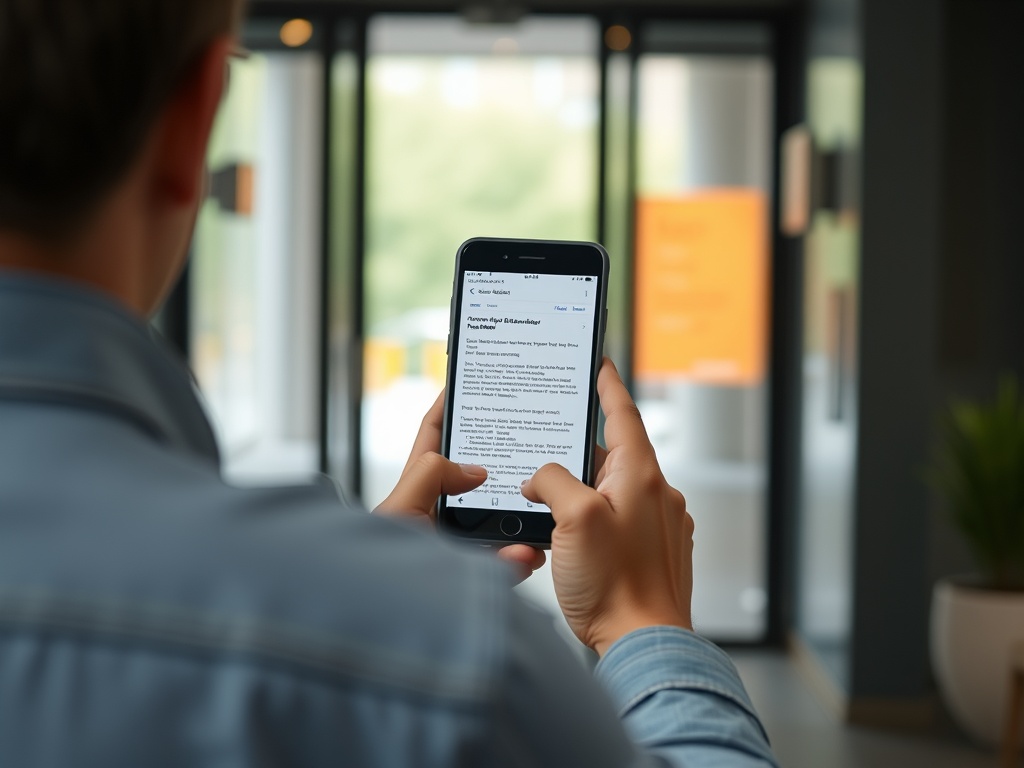
Decision criteria tied to audience and goals
Choose the model by asking what the attendee must understand before arriving. A networking breakfast may need a concise reminder and parking note. A three-day conference may require agenda guidance, session selection, check-in instructions, mobile access, accessibility support, and post-event materials. A community event may need welcoming language, practical access details, and clear expectations more than polished campaign copy.
If response rates have been weak, review the event messaging mistakes guide before adding more emails. A high-touch model cannot fix a vague promise; it may simply repeat it more often.
Pros and cons in plain language
Minimalist communication is efficient, clean, and respectful of attention. It can also feel sparse when attendees need reassurance. High-touch communication is supportive, detailed, and useful for complex experiences. It can also overwhelm people if every message is long, repetitive, or poorly timed. Neither model is automatically better. The better choice is the one that reduces friction without adding noise.
A blended approach that often works
Use concise primary messages, then link to optional detail. For example, the confirmation email can include the essential date, time, location, access link, and support contact. A separate event guide can include travel, accessibility, schedule, session, and FAQ details. This keeps the main message readable while still supporting attendees who need more information.
Teams also need to coordinate attendee communication with vendor and production commitments. If contract deliverables influence check-in, streaming, meals, room setup, or content access, connect the communication plan with vendor contract tools and templates before messages are finalized.
Metrics that reveal whether the model works
Look beyond open rates. Track registration completion, support questions, no-show patterns, session selection issues, check-in delays, accessibility requests, replay usage, post-event survey comments, and refund or transfer questions. These signals show whether attendees had enough information at the right time.
Planning disclaimer for attendee communication
This article is informational only and does not provide legal, financial, travel, accessibility, immigration, advertising, ticketing, or contractual advice. Event requirements, refund policies, access rules, and participation details can vary. Verify all official information with organizers, venues, platforms, and qualified advisors before sending attendee communications.
Communication model to choose next
Map the attendee journey from first invitation to post-event follow-up. If the path has few decisions, keep communication minimalist. If the path has meaningful friction, use a high-touch model with concise messages and useful support.
A practical communication calendar
For high-touch programs, give each message a job. One message can explain why the event matters, another can prepare attendees for participation, another can clarify logistics, and another can share follow-up resources. This prevents the high-touch model from becoming a pile of repetitive reminders.
Build the communication calendar backward from the event date. Mark the registration confirmation, calendar hold, preparation message, access or arrival instructions, reminder sequence, day-before note, event-day support cue, and post-event follow-up. Then remove any message that does not answer a real attendee question or improve readiness.
Review support data after the event to see where communication failed. Repeated questions about parking, session access, dress expectations, ticket transfers, or replay availability are not merely attendee-service issues; they are clues for making the next communication sequence clearer and more useful.
Document what the team learned in plain language. If attendees still asked basic questions after three messages, the issue may be message clarity rather than message frequency.