
A useful budget home gym does not need many items. Start with adjustable resistance, a stable anchor or bench substitute, and enough floor space to train major movement patterns. Buy equipment only when it creates a clear progression your current setup cannot provide.
KEY TAKEAWAY: The best first purchases are usually resistance bands, adjustable dumbbells or a loadable backpack, a mat when needed, and a safe way to perform rows or pulls. Stability, adjustability, and actual use matter more than the number of gadgets.
Start With Movements, Then Choose Tools
List the patterns your program needs: squat or sit-to-stand, hip hinge, push, pull, carry, calf work, and trunk training. Many can begin with body weight and household objects. A chair can support squats and split squats; a backpack can be loaded gradually; a wall or counter can scale push-ups.
The 2026 ACSM resistance-training guidance notes that body-weight exercises, elastic bands, and home-based routines can improve strength and function. It also emphasizes that complicated methods and expensive equipment are not required for the average healthy adult.
Equipment earns its place when it makes an exercise safer, easier to set up, or more progressive. A cheap device that cannot be adjusted or used comfortably may cost more per useful session than one durable pair of dumbbells.
The Highest-Value Starter Tools
Resistance bands are portable and inexpensive. Loop bands can assist or resist lower-body work, while long bands can support rows, presses, and hinges. Buy clearly rated bands from a reputable seller, inspect them for tears, and protect them from sharp edges and heat.
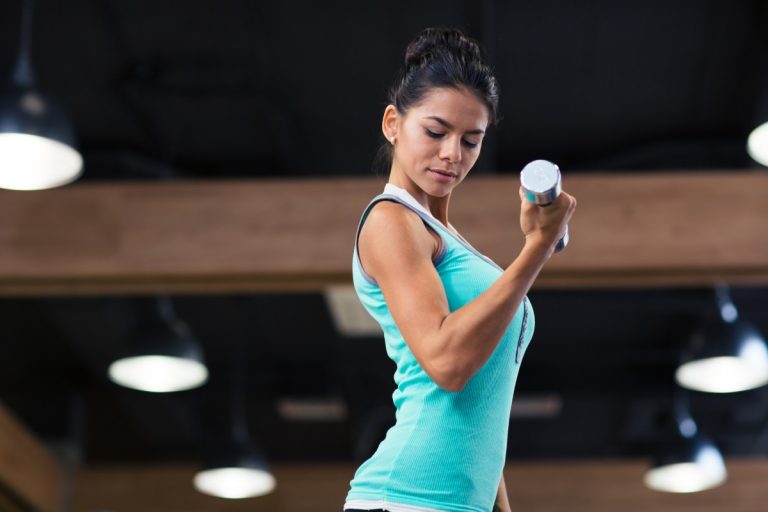
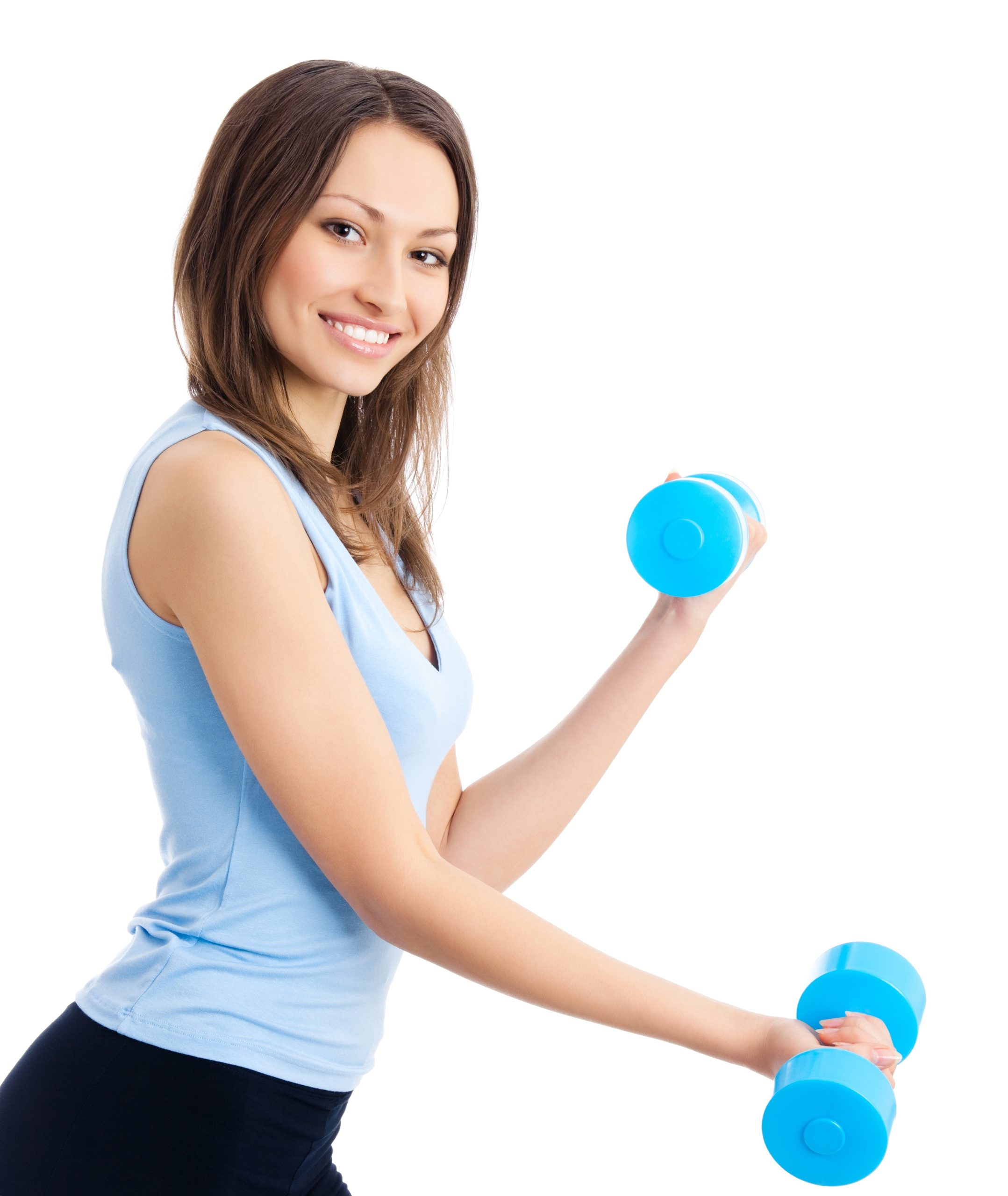
Adjustable dumbbells provide straightforward load progression for squats, hinges, presses, rows, and carries. Plate-loaded handles may be less convenient but can be economical. Check collars before each set and avoid changing plates over bare feet.
A loadable backpack is a useful bridge. Books, sealed water containers, or weight plates can create gradual load, but the contents must be secure and the bag strong enough for the task. Hold it against the chest for squats or wear it for selected movements only when balanced and comfortable.
A mat improves comfort for floor exercises but does not need to be thick or premium. Very soft surfaces can reduce stability during standing work. A simple timer and notebook are more useful than many connected devices because they make rest periods and progression visible.
Solve the Pulling Problem Safely
Home programs often include plenty of pushing but little pulling. Bands anchored around a sturdy post can support rows, but doors and lightweight furniture can fail. Use only anchors designed for the purpose, follow installation instructions, and pull in a direction that does not open the door toward you.
A doorway pull-up bar can be valuable for an appropriate user, but verify the doorframe, bar fit, weight rating, and installation every time. Do not improvise with pipes, shelves, or unstable tables. If a safe anchor is unavailable, use dumbbell rows with one hand supported on a sturdy chair or bench.
Spend by Progression Stage
Use a three-stage buying plan:
- No-cost base: body weight, chair, wall, floor space, backpack, and walking.
- Adjustable resistance: bands and dumbbells that cover several exercises.
- Goal-specific addition: a bench, pull-up setup, heavier plates, or cardio tool only after the program reaches a real limit.
Do not buy a treadmill because walking is valuable if you already have a safe route you enjoy. Do not buy a bench until floor presses and supported alternatives limit progress. Delay specialized equipment until at least six weeks of consistent training confirms the need.
Program design still governs results. Use friction deliberately to support good habits by storing equipment where setup is quick instead of collecting tools without a progression plan.
Evaluate Safety, Space, and True Cost
Check the product’s weight rating, adjustment mechanism, pinch points, stability, warranty, replacement parts, and storage footprint. Read the manual. Used equipment can be excellent, but inspect welds, cables, upholstery, locking pins, and corrosion before purchase.
Include hidden costs such as floor protection, delivery, replacement bands, plates, and sufficient ceiling clearance. Leave a clear training zone away from glass, children, pets, and ceiling fans. Store weights so they cannot roll or fall.
If an extreme diet has reduced energy and recovery, review why crash diets work fast and fail faster before purchasing heavier equipment or increasing training demands.
Ignore Features That Do Not Improve the Program
Digital repetition counters, proprietary movement libraries, and subscription screens may be convenient, but they do not create progressive overload by themselves. A plain dumbbell with a written plan may offer more flexibility and no ongoing fee.
Avoid single-purpose gadgets advertised through dramatic transformation claims. Ask which major pattern the device trains, how resistance increases, what happens when you outgrow it, and whether a cheaper tool already covers the same function.
Budget does not mean buying the lightest possible resistance. If an item will be outgrown in two weeks, consider an adjustable option or wait and save. Conversely, do not buy a commercial rack and barbell set for an imagined future routine when two compact tools meet the current goal.
Build a Complete Week With Minimal Gear
Two or three full-body sessions can alternate variations. One session might include backpack squats, dumbbell floor presses, one-arm rows, Romanian deadlifts, carries, and a plank. Another might use split squats, overhead presses, band rows, hip bridges, calf raises, and side planks.
Progress by adding repetitions within a range, increasing load slightly, improving range of motion, or using a more demanding variation. Keep records. For short cardiovascular work, the guide to effective interval sessions offers walking, cycling, or other options that may need little or no equipment.
The CDC’s adult activity overview recommends both aerobic activity and muscle-strengthening work. A home gym should support that broader week rather than turning every session into lifting.
Buy for Progress, Not for a Fantasy Gym
Begin with the tools already available and follow a simple program for two weeks. Write down every time equipment limits a safe progression. If the same limitation appears repeatedly, buy the smallest adjustable tool that solves it.
For most people, bands plus adjustable load and a safe pulling option can support months of progress. Add equipment only after use proves the need. The best budget gym is not the cheapest collection or the most impressive room. It is a small, safe system that makes consistent training easier and lets resistance increase in clear steps.