
Fall protection means using planning, guardrails, covers, restraint, arrest systems, training, and supervision to reduce fall exposure during roofing, steel work, and maintenance tasks. The exact requirement depends on the task, height, surface, jurisdiction, and jobsite conditions.
Key takeaway: Fall hazards should be controlled before workers are exposed, not improvised after work starts. Guardrails, covers, travel restraint, and personal fall arrest systems solve different problems. Training, inspection, anchorage, rescue planning, and competent oversight are part of the system.
The basic idea
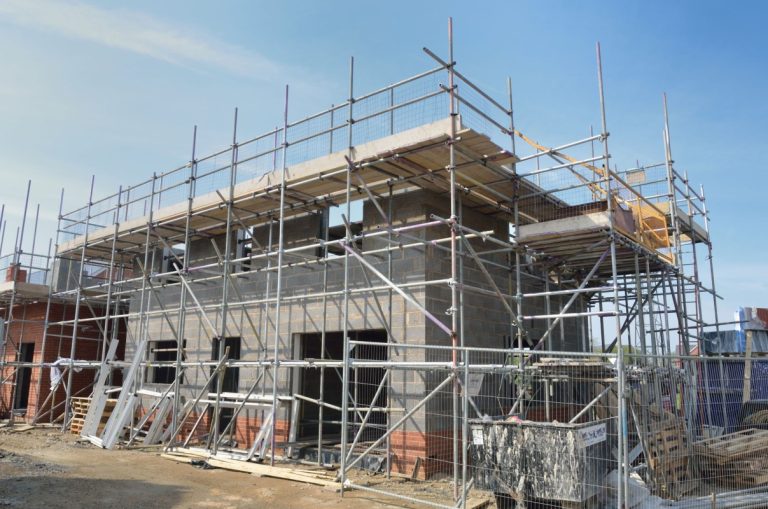
Fall protection is a planned system for preventing workers from falling or reducing injury if a fall occurs. It is not only a harness. Depending on the work, it may include guardrails, hole covers, scaffolds, lifts, warning lines, safety monitoring where allowed, travel restraint, personal fall arrest, positioning systems, training, inspection, and rescue planning. OSHA Subpart M sets construction fall protection requirements and definitions, but actual obligations depend on the work and jurisdiction.
Prevention comes before arrest
A guardrail that prevents exposure is generally simpler for workers than a personal fall arrest system that activates after a fall. Covers over holes, stable work platforms, parapets, proper ladders, and sequencing can remove hazards before crews reach the edge. Personal fall arrest systems are important, but they need suitable anchorage, correct connectors, compatible components, clearance below the worker, and a rescue plan.
For related planning context, compare this topic with Waste diversion plans for demolition and renovation projects, especially when the same project team is balancing budget, maintenance, and sequencing decisions.
Roofing hazards
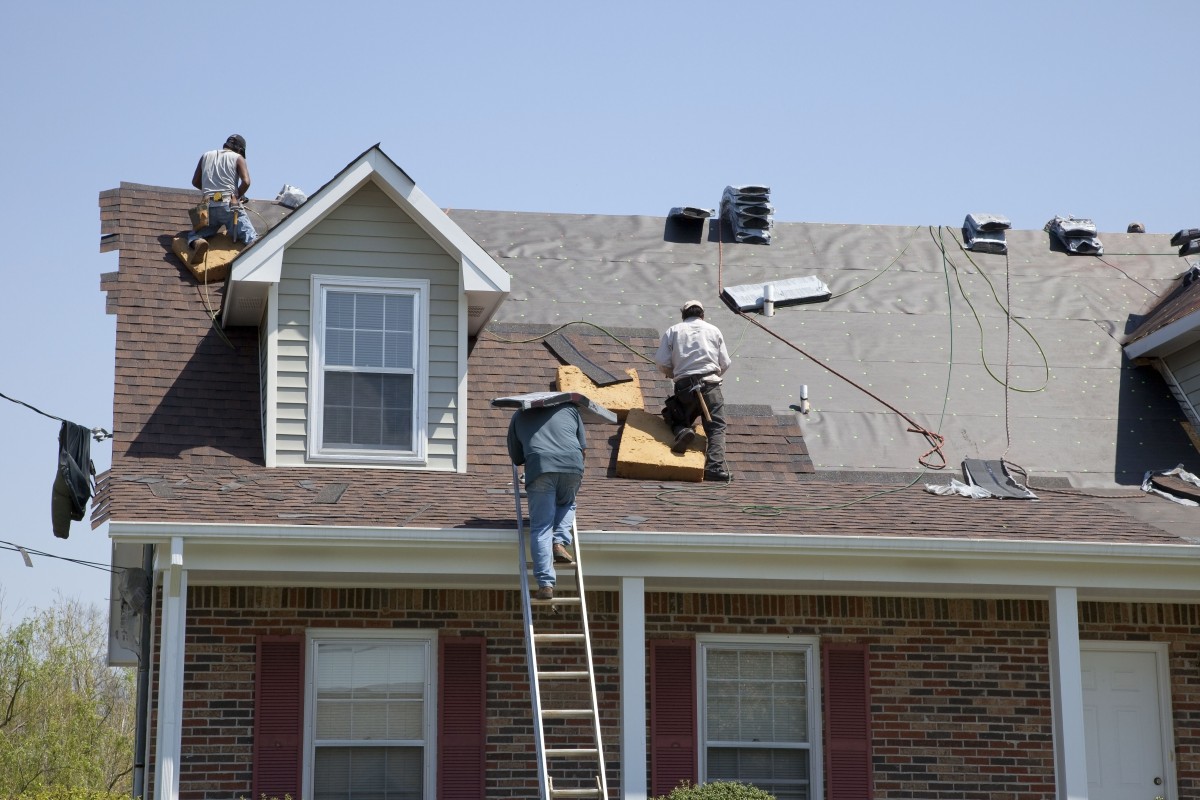
Roofing work may involve leading edges, skylights, fragile surfaces, roof openings, low-slope edges, steep slopes, weather, material handling, and access ladders. Skylights and roof hatches deserve attention because workers may not perceive them as openings. Maintenance crews who visit roofs for HVAC service should receive the same seriousness as construction crews when exposed to fall hazards.

| Planning item | What to check | Why it matters |
|---|---|---|
| Scope boundary | Systems, locations, responsible parties, and exclusions | Prevents assumptions from becoming field conflicts |
| Access and safety | Routes, isolation points, fall or energy hazards, and supervision | Keeps routine work from becoming risky work |
| Documentation | Photos, records, tickets, drawings, tags, or checklists | Makes later troubleshooting faster and more defensible |
| Maintenance impact | Inspection frequency, replacement access, and owner responsibilities | Keeps the solution useful after construction ends |
For a higher-authority reference point, review OSHA construction fall protection rules and adapt the guidance to the project jurisdiction, contract documents, and qualified professional direction.
Steel work hazards
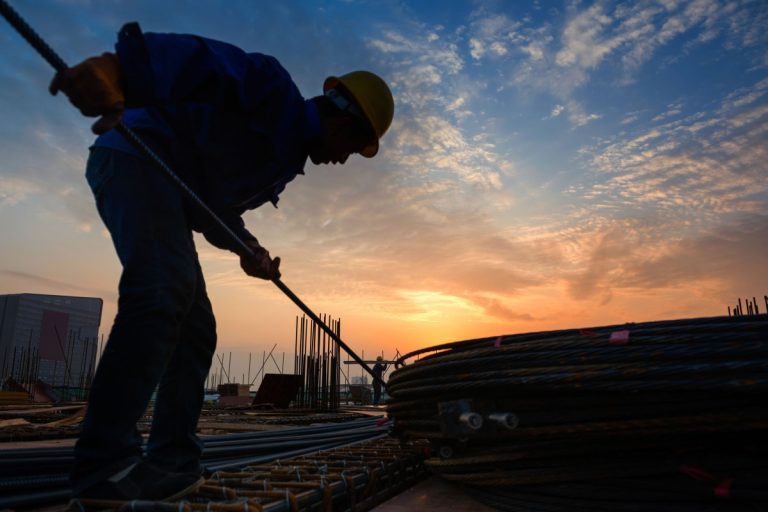
Steel erection and related maintenance can involve open framing, connection points, decking, ladders, lifts, and changing walking surfaces. Planning should address access, tie-off options, controlled decking zones where applicable, dropped-object risk, weather, and coordination with cranes or lifts. Workers should not be asked to improvise anchor points in the field.
Inspection and training
Equipment inspection is not paperwork theatre. Harnesses, lanyards, lifelines, anchors, connectors, self-retracting devices, guardrails, covers, and ladders should be checked according to manufacturer instructions and site procedures. Training should cover hazard recognition, correct use, limitations, rescue, and when to stop work.
The same asset-care thinking also connects to How retaining walls, drainage, and grading affect a home site, because long-term maintenance depends on decisions made during design and construction.
A second useful reference is eCFR fall protection subpart, which can help teams check definitions, procedures, or compliance-sensitive assumptions before finalizing scope.
Maintenance crews need site-specific plans
A building engineer replacing a belt near a roof edge can face real fall exposure even if the task feels routine. Facility owners should identify recurring roof and elevated-work tasks, provide safe access, mark hazards, and document procedures. A one-time contractor plan is not enough for recurring maintenance.
Pre-task planning that keeps crews aligned
Before elevated work begins, the crew should discuss the work area, edge locations, openings, surface condition, weather, access route, anchor points, rescue method, dropped-object controls, and who has authority to stop work. This conversation should be specific to the day. A plan written for a different roof, shift, or trade may not fit the current exposure.
Supervisors should also watch for task creep. A technician may go to a roof to inspect one unit, then decide to check another unit near an unprotected edge. A steel crew may shift from staging to connection work. Fall protection planning should account for likely adjacent tasks, not just the first line on the work order.
Elevated-work planning checklist
Use a short field checklist: confirm the existing condition, assign responsibility, document hidden details before cover-up, verify safety controls, record decisions, and schedule the first maintenance review. Keep the checklist specific enough for crews to use without guessing.
Documentation that supports safer repeat work
Recurring elevated tasks should have written procedures, roof access maps, anchor information, equipment inspection records, training records, and rescue instructions. These documents should be easy for supervisors and workers to find before the task begins. If a building adds equipment, changes roof access, or modifies guardrails, update the procedure. A fall protection plan loses value when site conditions change but the paperwork does not. The plan should also identify who verifies weather conditions and who confirms that rescue equipment is available before work starts.
Fall protection mistakes to avoid
Do not assume a harness alone makes a job safe. Without proper anchorage, compatible equipment, clearance, training, inspection, and rescue planning, a fall arrest system may not perform as intended. Avoid using old job plans for new site conditions. Roof edges, weather, openings, and access routes change the risk profile.
Making elevated work safer before it starts
The best next step is to document the current condition, define the risk clearly, and involve qualified professionals when code, safety, structural, environmental, or operational consequences are involved. This article is for informational and educational purposes only and does not constitute engineering, legal, compliance, safety, or project management advice.