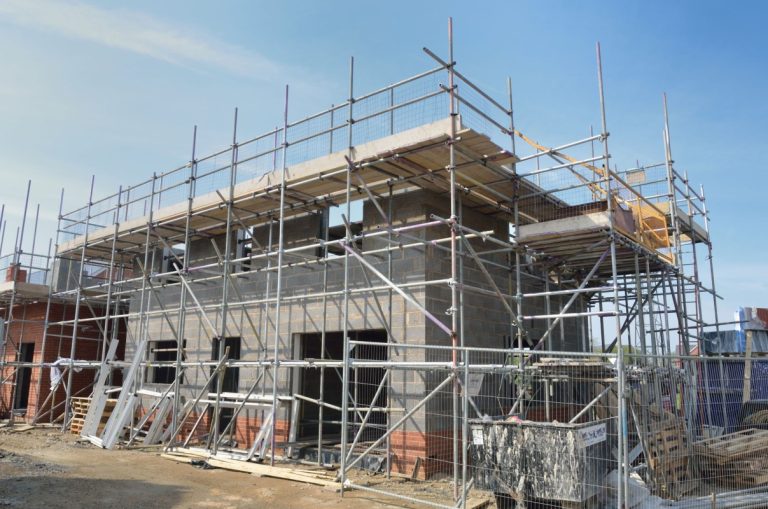


A waste diversion plan explains how demolition and renovation materials will be reduced, separated, reused, recycled, documented, and hauled. It turns good intentions into site rules that crews, subcontractors, and haulers can actually follow.
Key takeaway: The plan should start before demolition, when salvage, sequencing, and hauler options can still be shaped. Source separation works only when bins, labels, space, and crew instructions are practical. Documentation matters because diversion claims should be traceable to tickets, weights, destinations, and project records.
Start with materials before demolition begins
A waste diversion plan works best when the team surveys materials before work starts. Identify concrete, brick, metal, wood, gypsum, carpet, ceiling tile, fixtures, doors, equipment, packaging, soil, and hazardous or regulated materials. EPA guidance on C&D materials emphasizes reducing, reusing, and recycling materials rather than sending them directly to disposal. Early planning gives the team time to salvage, separate, and find receiving facilities.
Source reduction beats sorting later
The cleanest waste is material that never arrives or never becomes waste. Accurate takeoffs, right-sized orders, returnable packaging, prefabrication where appropriate, and careful storage can reduce damage and surplus. Renovation teams should also review what can remain in place. Removing serviceable materials just to replace them with similar new materials may increase cost and waste without improving project value.
For related planning context, compare this topic with How to choose between packaged units, split systems, and VRF, especially when the same project team is balancing budget, maintenance, and sequencing decisions.
Design the site logistics
Diversion fails when bins are too far away, labels are confusing, space is cramped, or crews do not know what goes where. A practical plan shows bin locations, material categories, contamination rules, pickup schedule, responsible parties, and what happens when a bin is full. If source separation is impossible, the plan should explain how mixed loads will be processed and documented.

| Planning item | What to check | Why it matters |
|---|---|---|
| Scope boundary | Systems, locations, responsible parties, and exclusions | Prevents assumptions from becoming field conflicts |
| Access and safety | Routes, isolation points, fall or energy hazards, and supervision | Keeps routine work from becoming risky work |
| Documentation | Photos, records, tickets, drawings, tags, or checklists | Makes later troubleshooting faster and more defensible |
| Maintenance impact | Inspection frequency, replacement access, and owner responsibilities | Keeps the solution useful after construction ends |
For a higher-authority reference point, review EPA sustainable management of construction and demolition materials and adapt the guidance to the project jurisdiction, contract documents, and qualified professional direction.
Handle regulated materials separately
Lead-based paint, asbestos-containing materials, mercury devices, refrigerants, treated wood, contaminated soil, and certain lamps or electronics may require special handling. Do not mix regulated materials into general recycling streams. Requirements vary by jurisdiction, so the project team should verify local rules and licensed contractor requirements before demolition.
Track tickets and destinations
A diversion claim should be backed by hauler tickets, scale records, receiving facility data, reuse documentation, and photos where useful. Project teams should decide who collects records and how often diversion progress is reviewed. Waiting until the end often leads to missing paperwork.
The same asset-care thinking also connects to Fall protection basics for roofing, steel, and maintenance crews, because long-term maintenance depends on decisions made during design and construction.
A second useful reference is EPA best practices for reducing, reusing, and recycling C&D materials, which can help teams check definitions, procedures, or compliance-sensitive assumptions before finalizing scope.
Make reuse practical for crews
Salvage can slow a project if sequencing is unrealistic. Identify items for reuse, remove them before destructive demolition, protect them, and assign storage or transfer responsibility. Doors, hardware, fixtures, casework, pavers, metals, and equipment may be candidates, but condition, safety, demand, and handling cost all matter.
Crew training and subcontractor alignment
Diversion requirements should appear in subcontractor scopes, kickoff meetings, daily huddles, and site signage. Crews need to know which materials are separated, which bins are off limits, who to call when contamination occurs, and what records are required. If the plan depends on careful removal, demolition sequencing should protect salvageable materials before heavy demolition begins.
The project manager should review diversion performance during construction, not only at closeout. If a recycling stream is contaminated or a receiving facility changes rules, the plan may need adjustment. A practical diversion plan is a working document that responds to site conditions while still protecting compliance and documentation.
Waste diversion checklist for project teams
Use a short field checklist: confirm the existing condition, assign responsibility, document hidden details before cover-up, verify safety controls, record decisions, and schedule the first maintenance review. Keep the checklist specific enough for crews to use without guessing.
Closeout records that support diversion claims
At closeout, the project file should show where materials went and how quantities were verified. Keep hauler tickets, recycling facility receipts, reuse documentation, landfill records, photos of separated streams, and notes about rejected or contaminated loads. This makes diversion claims more credible and helps the next project estimate bin space, crew training needs, and realistic material categories with fewer assumptions. It also gives owners a cleaner basis for comparing haulers and recycling options on future renovations and helps project managers explain why certain site rules must be followed consistently from kickoff through closeout.
Waste diversion mistakes to avoid
Do not wait until dumpsters arrive to decide what will be recycled or salvaged. By then, materials may already be damaged or mixed. Avoid vague instructions such as recycle where possible. Crews need bin locations, accepted materials, contamination rules, pickup contacts, and documentation requirements before demolition begins.
Building cleaner disposal habits into the job
The best next step is to document the current condition, define the risk clearly, and involve qualified professionals when code, safety, structural, environmental, or operational consequences are involved. This article is for informational and educational purposes only and does not constitute engineering, legal, compliance, safety, or project management advice.