
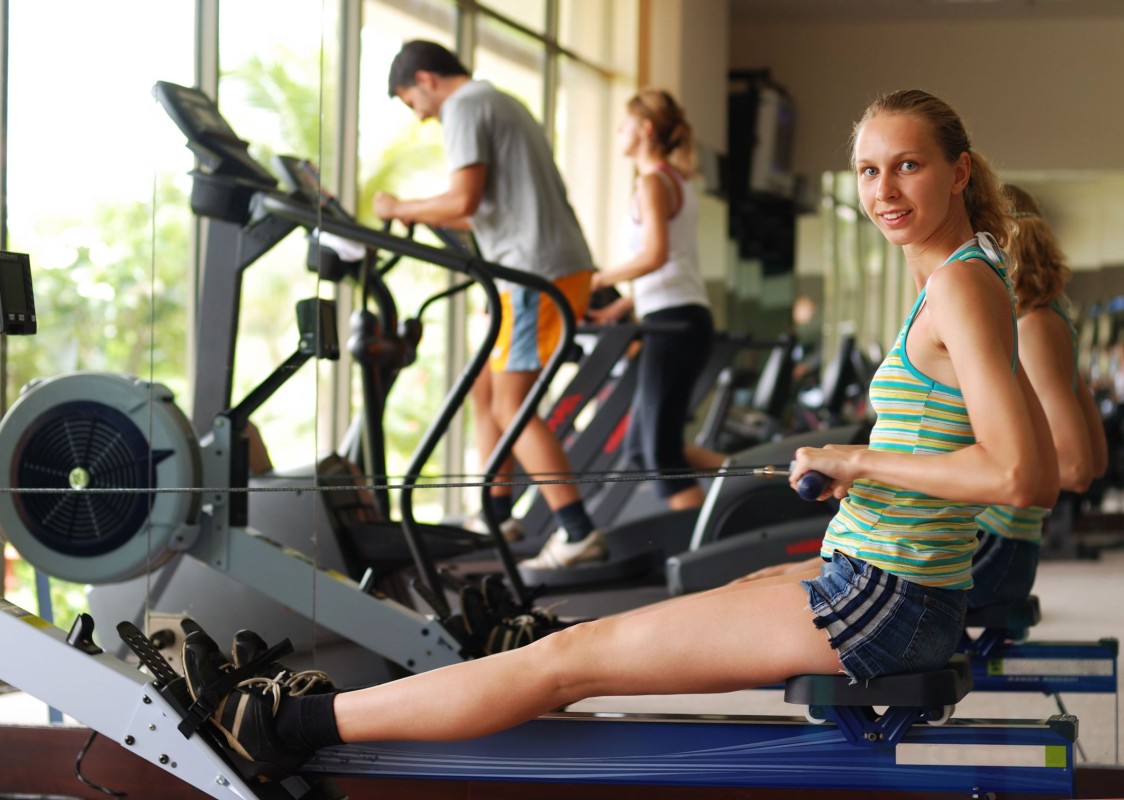
Pick a rowing machine for home training by matching the resistance type, footprint, noise level, monitor, and durability to how you will actually train. The best machine is not always the most expensive one; it is the one you will use consistently with sound technique.
Key takeaways
- Air, magnetic, water, and hybrid rowers feel different and suit different homes.
- Fit matters: check rail length, storage, ceiling clearance, and seat comfort before buying.
- A reliable monitor and smooth stroke are usually better upgrades than luxury screens.
For useful context, this article connects with event safety guide on Orbit Digest, and it is supported by guidance such as World Rowing indoor rowing resources.
Decide what kind of rowing you want to do
Home rowers are useful because they combine legs, trunk, and pulling muscles in a low-impact cardio pattern. The machine does not automatically create good training, though. You need a model that supports your goals: steady endurance, interval conditioning, general fitness, cross-training, or sport-specific preparation.
Air rowers are common in gyms and competitive indoor rowing because resistance rises as you pull harder. Magnetic rowers are often quieter and may suit apartments. Water rowers offer a fluid feel and pleasant sound, but they can be heavier and require different upkeep. Hybrid designs try to blend adjustability and feel.
Before comparing prices, decide your non-negotiables. A tall user may need a longer rail. A shared household may need quiet resistance. A small apartment may need vertical storage. A data-focused athlete may need a monitor that tracks pace, stroke rate, distance, and intervals clearly.
Features that matter more than marketing
The first feature is stroke smoothness. The catch should feel connected without a harsh jerk, and the return should not rattle. The seat should roll evenly, the handle should feel secure, and the footplates should hold your shoe without forcing your ankles into an awkward angle.
The second feature is data. A basic but accurate monitor can be more useful than a large entertainment screen. Training depends on repeatable feedback: pace, time, meters, watts, calories, and stroke rate. If those numbers are inconsistent, progress is harder to measure. See also Concept2 technique videos for additional context.
The third feature is serviceability. Look for replaceable straps, accessible parts, a sturdy frame, and clear maintenance instructions. A bargain rower that squeaks, drifts, or becomes unstable after a few months can cost more in frustration than a dependable mid-range option.
Budget tiers without regret
Entry-level rowers can work for occasional fitness if the frame is stable and the motion is acceptable. They may have lighter components, simpler monitors, and lower weight limits. Mid-range models often give the best value because they improve durability, data, and comfort without forcing a subscription-heavy setup.
Premium machines can be worthwhile for high-volume users, families, or athletes who want polished software, live classes, or strong resale value. The upgrade is not mandatory for fitness. It makes sense when the extra features remove barriers to training or support serious tracking.
Used machines can be smart purchases. Check rail wear, handle condition, chain or strap smoothness, monitor function, damper or resistance controls, and frame stability. Ask why the seller is moving it on and test a short interval before buying. A related Orbit Digest resource is surf-training guide.
| Buyer priority | Best question to ask | Why it matters |
|---|---|---|
| Resistance feel | Do I want gym-style feedback or quiet home use? | Comfort increases consistency |
| Monitor | Can I track intervals and pace clearly? | Progress needs repeatable data |
| Storage | Can I move and store it safely? | A machine in the way becomes unused |
Technique and maintenance after purchase
A good rower still requires good form. The basic sequence is legs, body, arms on the drive, then arms, body, legs on the recovery. Many beginners pull early with the arms, lean too far back, or rush the slide. Technique videos from reputable rowing organizations can help you build safe habits.
Maintenance should be simple but consistent. Wipe sweat after sessions, check screws and straps, keep the rail clean, and follow the manufacturer’s guidance for chains, water tanks, or software updates. Small care habits protect the feel of the stroke.
This gear decision also connects to the site’s event safety guide and surf-training guide, because smart home training supports broader sport participation without turning every purchase into a status symbol. Readers can also compare this with season formats explainer.
Home Rower Fit Test
Before buying, measure the space where the rower will live, not just the space where it will be used. Include room for the slide, handle path, screen angle, storage tilt, and safe movement around the machine. A rower that blocks a hallway or bedroom door quickly becomes a problem instead of a training tool.
Test noise at the intensity you expect to use. A machine can sound quiet during a gentle demonstration and loud during intervals. Apartment users should consider floor vibration, fan noise, and workout timing. A mat can help, but it will not make every machine neighbor-friendly.
Check body fit with a real stroke. The knees should not jam into the handle path, the rail should support full compression and finish, and the footplates should allow a comfortable strap position. If more than one person will use the machine, adjustability matters more than a single perfect setup.
Plan the first month before the purchase arrives. Three short technique sessions per week are better than one heroic workout that leaves you sore and discouraged. The right rower should make that routine easy to repeat.
Example: Matching the Machine to the Household
A competitive athlete in a garage may prefer a durable air rower with a strong monitor and no concern about noise. A parent in an apartment may prefer a quieter magnetic model that folds easily and supports short early-morning sessions. Neither choice is automatically superior. The better choice is the one that fits the user, the home, and the training routine without creating daily friction.
Apply the Buying Criteria Before Checkout
A useful final step is to rank your top three needs before reading reviews. For example: quiet operation, reliable monitor, and easy storage. Then reject any model that fails one of those needs, even if it has attractive extras. This protects the buyer from marketing noise and keeps the purchase connected to the training environment that actually exists at home.
Think About Motivation as a Feature
Some rowers motivate users with classes, leaderboards, and scenic screens. Others motivate users by being simple, quiet, and always ready. Neither style is wrong. The key is honest self-knowledge. Buy the machine that removes your personal barriers, not the one that looks best in an advertisement.
Buy for the Sessions You Will Actually Complete
Use this article as a practical filter: define the situation, choose the smallest useful next step, and avoid letting hype or pressure outrun clear judgment. The better the preparation, the easier it becomes to enjoy the sport, support the athlete, or make a confident decision.
Educational CTA: Keep learning one topic at a time. Revisit the relevant linked guide above, apply one checklist or routine this week, and adjust only after you have observed what actually improves.