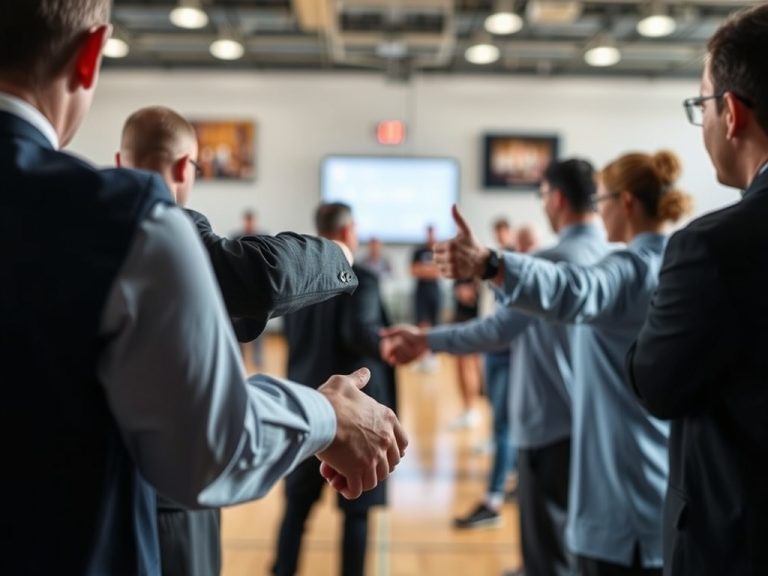

Staying safe at large sporting events starts before you reach the venue: plan transport, know entry rules, identify exits, protect your belongings, and agree on a meeting point. Once inside, awareness and calm movement are more useful than fear.
Key takeaways
- Check venue rules, weather, bag policies, and transport options before leaving.
- In crowds, keep your group plan simple and avoid bottlenecks when possible.
- Follow official instructions quickly during delays, evacuations, heat alerts, or security incidents.
For useful context, this article connects with rowing machine buying article on orbit digest, and it is supported by guidance such as cdc mass gatherings guidance.
Plan the day before the crowd forms
Large sporting events can be exciting because of the crowd, but the crowd is also the main planning variable. Review the venue map, entry gate, bag policy, prohibited items, weather forecast, hydration options, and transport schedule. Save tickets offline if the venue allows it, and carry a charged phone plus a small power bank when permitted.
Decide how your group will reconnect if separated. A fixed meeting point outside the densest concourse is better than “call me.” Phones can die, networks can slow, and noise can make calls difficult. For children, write the adult’s contact information on a card kept out of public view but easy for staff to find if needed.
Arrive early enough to avoid the sharpest entry surge. Leaving a few minutes after the final whistle may also reduce pressure at exits, though families should balance that with transport and safety needs.
Move through crowds with awareness
Crowd safety is mostly about small choices. Wear shoes that let you walk confidently. Keep bags close and straps secure. Avoid stopping at the top or bottom of stairs. Do not push into a bottleneck just because others are doing it. If the crowd compresses, keep arms in front of your chest, stay upright, and move with the flow toward open space.
The CDC describes mass gatherings as events that can strain local resources and create risks from crowding, heat, sanitation, and security conditions. That does not mean fans should avoid events; it means preparation matters. See also who mass gatherings overview for additional context.
If you feel uncomfortable in a dense area, step to the side before it becomes urgent. Choose concourse edges, open plazas, or staffed areas rather than cutting through the tightest section.
Money, belongings, and venue etiquette
Keep payment simple. Use one card or mobile wallet, plus a small backup if allowed. Avoid flashing cash. Store essentials in front pockets or a close bag. Take a photo of your parking location or transit stop before entering the venue.
Good etiquette is also safety. Do not block aisles for photos, argue with staff, throw objects, climb barriers, or rush field access. Alcohol and heat can reduce judgment, so pace yourself and hydrate. If someone in your group is overwhelmed, leave the seating bowl early and reset in a quieter area.
For families, choose seats and routes with restrooms, food, and exits in mind. A cheaper seat that requires difficult movement may not be the best value for a child, older adult, or injured fan. A related orbit digest resource is fundraising guide.
| Situation | Best preparation | In-the-moment action |
|---|---|---|
| Entry surge | Arrive early and know gate rules | Wait for space instead of pushing |
| Separation | Set a meeting point | Go to staff or the agreed spot |
| Weather or security alert | Know shelter and exits | Follow official instructions |
Emergency signals and smart exits
Know the difference between normal crowd noise and official instruction. Announcements, staff directions, scoreboard alerts, and public safety messages take priority over rumors. In an evacuation, do not stop to film, argue, or retrieve nonessential items. Move calmly and follow marked exits unless staff redirect you.
If weather threatens an outdoor event, seek shelter early. If smoke, fire, or structural danger appears, leave immediately through the safest available route. If a crowd surge occurs, staying upright is the first priority; move diagonally toward the edge when space allows.
This guide connects well with the rowing machine buying article because both are about reducing friction. Good preparation turns a fun sports day into a safer, less stressful experience. Readers can also compare this with parents and esports guide.
Fan Zone Safety Checklist
Use a simple before-during-after checklist. Before the event, confirm transport, entry rules, weather, medication needs, and meeting points. During the event, monitor crowd density, hydration, group members, and official instructions. After the event, leave by the planned route unless staff direct otherwise.
Parents should assign roles. One adult handles tickets and transport. Another watches children in crowded movement. Older children should know the meeting point, the kind of staff uniform to look for, and the rule that they should not leave the venue with anyone else.
Fans with accessibility needs should contact the venue ahead of time. Accessible entrances, elevators, restrooms, seating routes, quiet areas, and medical support can vary. Planning early is not overreacting; it is how you keep the day enjoyable.
After attending, note what worked. Which gate was fastest, where was the quietest exit, when did concessions get crowded, and what item did you wish you had packed? That small review improves the next game day.
Example: A Family Exit Plan
A family of four attending a final can choose a meeting point near a staffed information desk, agree that children stay with one adult during restroom trips, and decide which transit stop to use after the event. These steps feel small until the concourse fills. When phones are slow and people are moving in waves, the group with a simple plan is less likely to panic or separate.
Small Items That Reduce Stress
A compact event kit may include ID, payment, permitted medication, a charged phone, a small power bank, weather protection, and ear protection for children or noise-sensitive fans. Pack only what the venue allows. A lighter bag moves faster and reduces the chance of delays at screening.
Apply the Plan Before the Next Big Game
Run a five-minute safety review before leaving home. Ask: Where are we entering, where are we meeting, what do we do if separated, what is the exit plan, and what official alerts should we follow? A plan that can be explained in one minute is more likely to be remembered when the crowd gets loud.
Crowd Confidence Comes From Rehearsal
A safety plan becomes easier when everyone has heard it before. Families who attend events often can use the same basic routine every time: meeting point, exits, hydration, and staff assistance. Repetition turns safety into habit rather than worry.
Leave With the Same Group You Arrived With
Use this article as a practical filter: define the situation, choose the smallest useful next step, and avoid letting hype or pressure outrun clear judgment. The better the preparation, the easier it becomes to enjoy the sport, support the athlete, or make a confident decision.
Educational CTA: Keep learning one topic at a time. Revisit the relevant linked guide above, apply one checklist or routine this week, and adjust only after you have observed what actually improves.