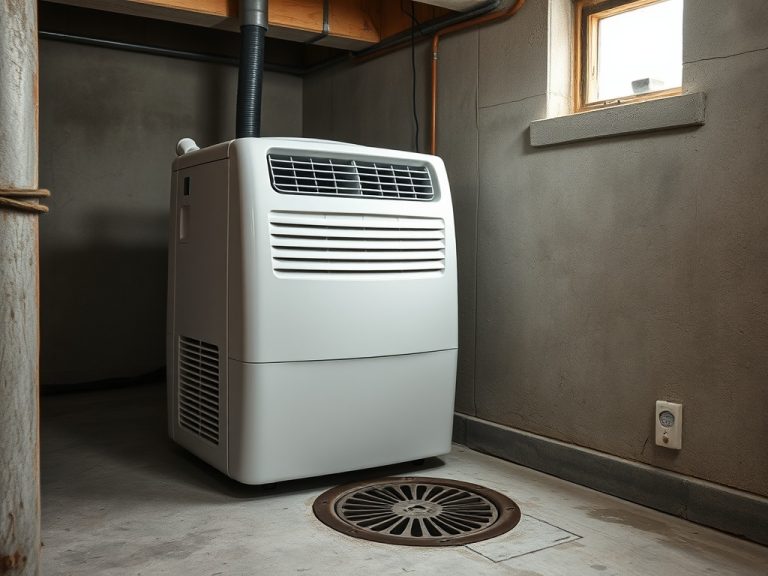


Spring does not create one universal pest season, but warmer temperatures, rain, plant growth, and insect life cycles can make certain pests more visible around homes. The most useful response is identification and prevention first, followed by targeted control only when the pest and level of risk justify it.
TL;DR: Expect more visible ants, termites, mosquitoes, flies, and other insects as conditions warm; remove food, standing water, and shelter; seal entry points; identify the pest before treating; and use pesticides only according to the label and when nonchemical steps are not enough.
Why Pest Activity Seems to Jump in Spring
Many insects become more active as temperatures rise, while spring rain can increase moisture and plant growth around foundations. Doors and windows are also opened more often, and homeowners spend more time outdoors, so pests may simply become easier to notice.
The exact timing varies widely by climate, elevation, weather, and species. A spring surge in Minnesota will not match one in Florida or Arizona. Avoid treating a calendar date as a prediction for your property. Watch local extension advisories and conditions around the home instead.
epa’s current integrated pest management principles emphasize monitoring, identification, prevention, and using control methods based on actual need. That approach is more reliable than spraying broadly because “spring has started.”
Ants Often Become the First Visible Sign
Ants forage for food and moisture and may appear around kitchens, patios, foundations, or bathrooms. Different species have different nesting habits, so identification matters. Wiping up food residue and keeping pantry items sealed can reduce what draws foragers indoors.
Carpenter ants deserve extra attention because they can nest in moisture-damaged wood. University of minnesota extension notes that carpenter ants may be seen in homes during spring, and that activity indoors in late winter or early spring can suggest a nest within the structure. That does not mean every large ant indicates structural damage; look for repeated activity, moisture problems, and professional identification when uncertain.
Fix leaks and decayed wood conditions as part of control rather than relying only on surface treatments.
Termite Swarms Can Be Easy to Misread
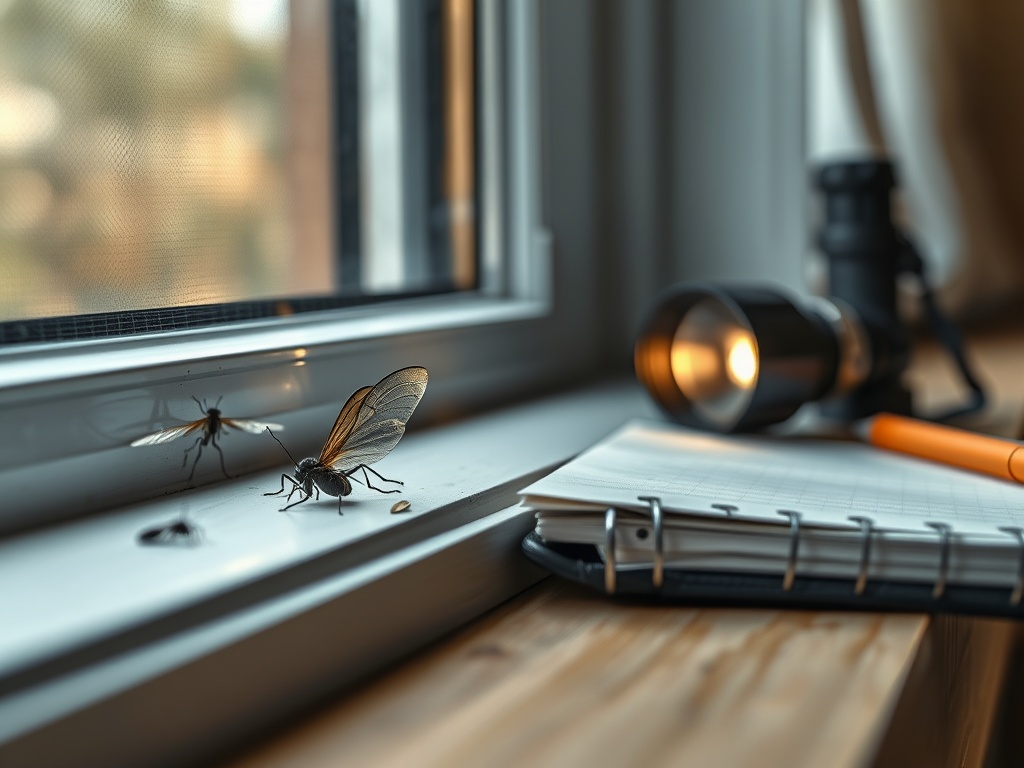
Winged termites and winged ants are often confused. Penn state extension explains that subterranean termite swarms may be noticed in late winter or early spring, including inside infested buildings. Discarded wings near windows or repeated swarming indoors can warrant professional inspection.
Do not make a treatment decision based on one blurry photo or internet comparison. Collect a specimen if safe to do so, note where it was found, and contact a qualified pest professional or local extension office for identification. Termite management methods are highly dependent on species, building construction, soil conditions, and local regulations.
If structural wood may be affected, pest control and building repair can become separate tasks.
Mosquito Prevention Starts With Water
As temperatures rise, standing water can support mosquito breeding. Walk the property after rain and empty water from buckets, plant saucers, toys, tarps, clogged gutters, and other containers. Refresh birdbaths and manage drainage so water does not remain trapped near the home.
This is a good example of prevention doing more work than routine spraying. Mosquito activity and disease risk vary by region, so follow local public-health guidance during outbreaks. Screens, clothing, and EPA-registered repellents used according to their labels can be part of a broader protection plan.
Moisture-Loving Pests Point to a House Problem
Springtails, some ants, cockroaches, and other nuisance pests are often associated with damp conditions. Repeated insects in a basement, bathroom, or around a foundation can be a clue to inspect drainage, plumbing leaks, condensation, or wet organic material.
Reducing moisture may solve more than one issue at once. Keep gutters and downspouts functioning, direct water away from the foundation where appropriate, repair plumbing leaks, and avoid overwatering foundation plantings. Indoors, include utility areas in that moisture check; The guide to water heater maintenance explains how small leaks and corrosion signs can be caught during routine inspections.
Seal Entry Points Before Reaching for Pesticide
Inspect door sweeps, window screens, utility penetrations, foundation gaps, vents, and damaged weatherstripping. Caulk or repair appropriate openings while preserving required ventilation and drainage paths. Trim vegetation that creates direct bridges to siding or rooflines when horticulturally appropriate.
Keep pet food sealed, clean crumbs and grease, and move trash out regularly. These steps reduce food and shelter for multiple pest species at once. They also make later monitoring more informative because you are not continuously replenishing the conditions that attracted pests.
Use Traps and Monitoring to Learn What Is Happening
Sticky monitors, species-appropriate traps, and simple observation can show where activity is concentrated. Place monitors where children and pets cannot reach them, and check them regularly. Record dates and locations rather than relying on memory.
The goal is not to capture every insect. Monitoring helps answer whether the problem is isolated, increasing, or tied to one moisture or food source. That information can prevent unnecessary treatment and helps a pest professional diagnose the issue if service becomes necessary.
If You Use Pesticides, Read the Label First
A pesticide label is a legal use document, not a suggestion. Use only products labeled for the target pest and application site, and follow directions for quantity, ventilation, protective equipment, storage, and re-entry. More product does not mean better control.
Avoid mixing pesticides or transferring them into food or drink containers. Keep children and pets away as the label directs. Local rules can also affect pesticide use, particularly outdoors or near water.
For household storage, the organization principles in under-sink cabinet organization are relevant: original labels, secure placement, and easy visibility are more important than decorative containers.
Know When Professional Help Is Worth It
Repeated termite activity, carpenter-ant evidence in structural wood, stinging-insect nests in difficult locations, rodent infestations, pests associated with health risks, or a problem that persists after sanitation and exclusion may justify professional service.
Ask how the pest was identified, what conditions are supporting it, what nonchemical measures are recommended, what product will be used, and what follow-up is expected. A credible plan should explain the reason for treatment rather than simply offering a recurring spray calendar.
Make Spring Prevention Part of Home Maintenance
Pest prevention fits naturally into spring home care: clean gutters, inspect screens, repair leaks, remove standing water, check foundation gaps, trim problem vegetation, and review stored chemicals. These tasks improve the building environment even when pest pressure is low.
The aim is not a completely insect-free yard. Many insects are harmless or beneficial. Focus control on verified pests that threaten health, property, food, or reasonable comfort, and let identification guide the response.
Home and garden content is for informational and educational purposes only and does not constitute pest-control, structural, horticultural, medical, or legal advice. Follow pesticide labels and local regulations.
Take one exterior walk after the next rain and note standing water, damaged screens, foundation gaps, and damp wood before pest activity turns those conditions into a larger problem.