
A water heater usually lasts longer when small maintenance tasks are handled before sediment, leaks, corrosion, or ventilation problems become serious. The right routine depends on whether the unit is a storage tank, tankless system, gas model, electric model, or heat-pump water heater, so the owner’s manual should remain the primary reference.
TL;DR: Check for leaks and corrosion regularly, keep the area around the heater clear, follow the manufacturer’s flushing or descaling schedule, test safety components only as directed, and call a licensed professional when combustion, electrical, pressure-relief, or internal tank work is involved.
Start With the Water Heater You Actually Own
Maintenance advice is not interchangeable across water-heater types. A conventional storage tank may accumulate mineral sediment at the bottom, while a tankless heater can require periodic descaling in hard-water areas. Heat-pump water heaters add an air filter and airflow requirements to the maintenance list. ENERGY STAR notes that heat-pump models may require annual maintenance such as air-filter cleaning or replacement; its heat-pump water heater guidance also emphasizes following operating instructions and using qualified contractors when needed.
Record the model, fuel type, installation date if known, and shutoff locations. Keep the manual nearby; service points and procedures differ by model.
Build a Simple Inspection Routine
A quick visual inspection every few months can reveal problems before they become emergencies. Look around the tank, piping, drain pan, nearby floor, and wall for moisture, rust streaks, mineral crust, or discoloration. Listen for unusual popping, rumbling, or hissing. Check whether stored items are blocking access, air intake, or service panels.
For gas-fired units, keep combustible materials away from the appliance and do not alter venting. For electric units, do not remove access covers unless the power has been shut off and the task is specifically covered by the manual. A recurring leak, scorch mark, gas odor, damaged wiring, or active relief-valve discharge is a stop-and-call-a-professional condition rather than a normal DIY maintenance item.
If this kind of inspection becomes part of a broader home-care rhythm, it pairs naturally with secure wall-mounting projects and other small checks that prevent bigger repair problems.
Manage Sediment Without Making Assumptions
Minerals in water can settle in storage tanks over time. Sediment can contribute to noise and may reduce useful capacity or heat transfer, but the correct flushing procedure and interval depend on local water quality and the heater design. Some manufacturers recommend periodic draining; others specify detailed steps or caution against certain procedures on older or neglected tanks.
Use the manual rather than a universal calendar. If flushing is allowed, the procedure typically involves shutting down the energy source, allowing water to cool as required, connecting a hose to the drain valve, and directing discharge to a safe location. Hot water can cause serious burns, and drain water may contain sediment, so never improvise the discharge route. If the valve is corroded, clogged, leaking, or has not been operated in many years, professional service may be the safer choice.
Understand Temperature and Safety Controls
Water temperature is a balance between comfort, energy use, sanitation, and scald risk. Do not change a thermostat based on a generic internet number without considering household needs and manufacturer instructions. Instead, verify the current setting and actual tap temperature, then consult the appliance manual or a qualified professional if adjustment is needed.
Storage water heaters also include pressure- and temperature-related safety components. The temperature-and-pressure relief valve is not a convenience valve and should never be capped, plugged, or disabled. Testing procedures vary, and a valve that will not reseat can release hot water. If you are unsure of its condition, have a plumber inspect it. For efficiency context, ENERGY STAR’s residential water-heater criteria explain how different water-heater types are evaluated, but efficiency certification does not replace model-specific maintenance.
Do Not Ignore the Anode Rod on Storage Tanks
Many tank-style water heaters use a sacrificial anode rod to help limit corrosion of the steel tank. The rod is designed to deteriorate instead of the tank, which means its condition can matter to service life. Access can be difficult, however, and removing it may require substantial torque and overhead clearance.
A practical approach is to ask a plumber to inspect the anode during another service visit, especially in hard-water areas or when the unit is several years old. Replacement timing varies with water chemistry, tank design, usage, and anode material. Treat any fixed interval as a starting point, not a guarantee. If the tank itself is already leaking, replacing an anode will not repair a failed tank.
Give Heat-Pump and Tankless Units Their Own Care Plan
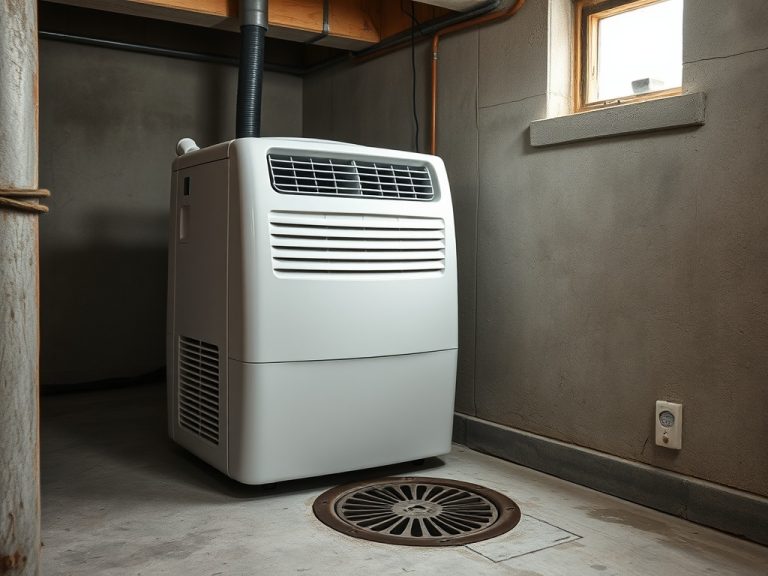
Heat-pump water heaters need clear airflow. Dust on filters or blocked air paths can interfere with operation, so inspect and clean filters according to the manual. Condensate drains also deserve attention because a blocked drain can create water problems around the unit.
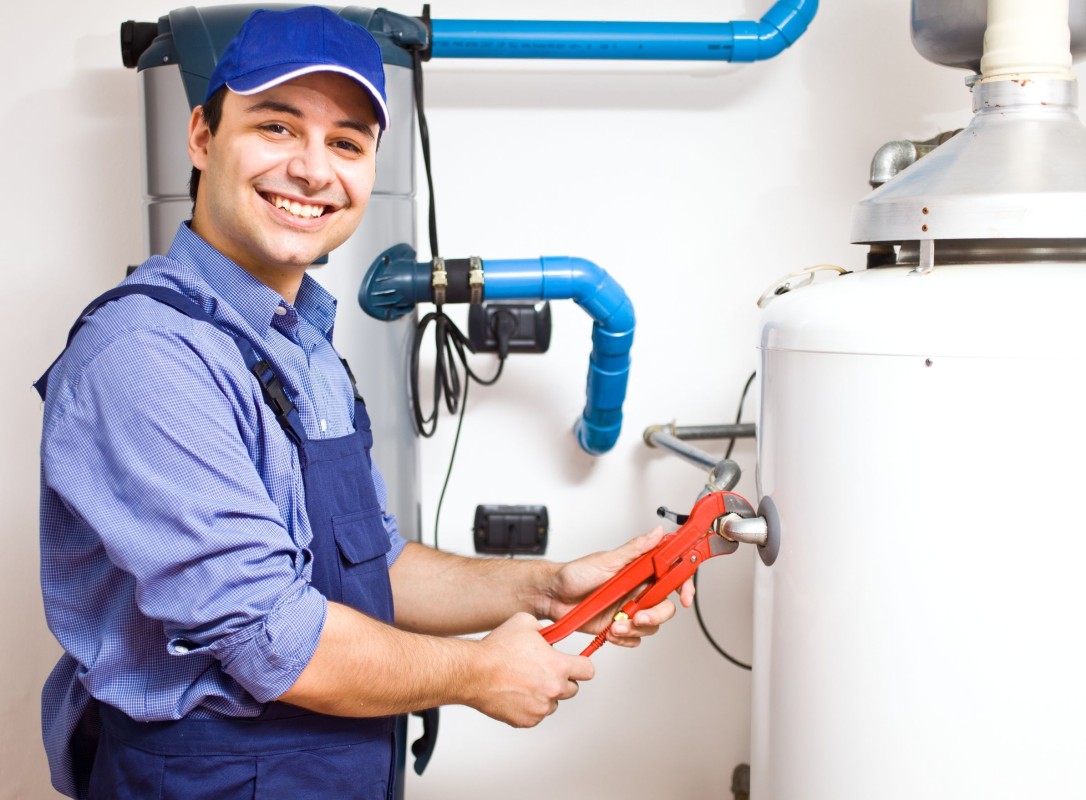
Tankless systems avoid a large storage tank but can still develop scale in the heat exchanger, especially where water is hard. Some manufacturers prescribe a flushing or descaling process using service valves and a circulating pump. If the installation does not have service ports, or if you are not comfortable isolating gas, electricity, or water connections, hire a qualified technician rather than modifying the plumbing yourself.
Watch the Drain Pan and Leak-Protection Setup
A drain pan is useful only if it is intact and its drain path remains open. Check for standing water, cracks, corrosion, or a disconnected drain line. Where a leak could damage finished space, a leak detector or automatic shutoff device may add protection. These devices should be selected and installed to match the plumbing arrangement and local code requirements.
Think about the consequences of a tank failure, not just the appliance itself. A water heater on an upper floor or near finished storage can create much more damage than one in a garage with a properly routed drain. This is also a good reason to protect valuable records separately in an appropriate safe, a topic covered in choosing a home safe for documents and drives.
Know When Maintenance Has Become Replacement Planning
Maintenance cannot reverse a corroded tank, chronic burner problem, failed heat exchanger, or repeated control fault. If the heater is leaking from the tank body, frequently tripping safety controls, producing discolored hot water after plumbing causes have been ruled out, or requiring repeated repairs, get a professional assessment.
Age alone should not determine replacement, but it is useful planning information. Compare repair cost, reliability, household hot-water demand, available fuel or electrical capacity, installation constraints, and current efficiency options. If replacement is approaching, reviewing certified equipment before an emergency failure can give you more time to choose the right size and technology instead of buying whatever is available immediately.
A Maintenance Rhythm That Protects More Than the Tank
The most useful water heater maintenance plan is modest and repeatable: inspect for moisture and corrosion, keep access and airflow clear, follow the manual for flushing or descaling, maintain filters and drains where applicable, and schedule professional service when a task involves combustion, high-voltage electrical work, pressure controls, or uncertain plumbing conditions.
That routine will not guarantee a particular lifespan, because water chemistry, installation quality, household demand, and equipment design all matter. It can, however, help you notice small problems sooner and keep the system operating under the conditions its manufacturer intended. For a broader look at connected home protection, see the guide to indoor and outdoor smart security cameras.
Home and garden information is provided for educational purposes only and does not replace professional plumbing, electrical, HVAC, structural, pest-control, or legal advice. Follow manufacturer instructions and local codes.
Take five minutes to record your water heater model, locate its manual, and note the next inspection or service task on your home-maintenance calendar.