
How to Make Old Dental Work Match a Whiter Smile
Existing crowns, veneers, and bonding cannot be whitened — but there are several clinical strategies to bring older restorations into harmony with a brighter natural smile.
Key Takeaways
- Whitening treatments do not change the color of crowns, veneers, or bonding.
- The solution depends on the type of restoration, its location, and your budget.
- A dentist should evaluate old restorations before whitening to plan the sequencing correctly.
- Rushing to whiten before replacing old work can lock you into a mismatched result.
Why Old Restorations Do Not Respond to Whitening
Tooth whitening agents — typically hydrogen peroxide or carbamide peroxide — work by penetrating enamel and breaking down chromogens (color molecules) within the tooth structure. Dental ceramics, composite resin, and porcelain-fused-to-metal crowns do not have the same porous structure, so whitening cannot alter their shade, according to the American Dental Association.
This becomes cosmetically significant when natural teeth whiten noticeably but adjacent or visible restorations remain at their original shade — often a slightly yellow, off-white, or grey tone that was matched to your teeth years ago.
What the Mismatch Actually Looks Like
The severity of the mismatch depends on where the restoration sits and how visible it is when you smile:
- Front teeth crowns or veneers: Highly visible and the most noticeable when mismatched. Even a slight shade difference is apparent in normal lighting.
- Bonding on incisors: Composite bonding stains over time and can appear darker than adjacent teeth that have been whitened.
- Tooth-colored fillings on premolars: Less visible but can still be noticeable during conversation.
- Back molar crowns: Typically a lower priority since they are not visible in a full smile.
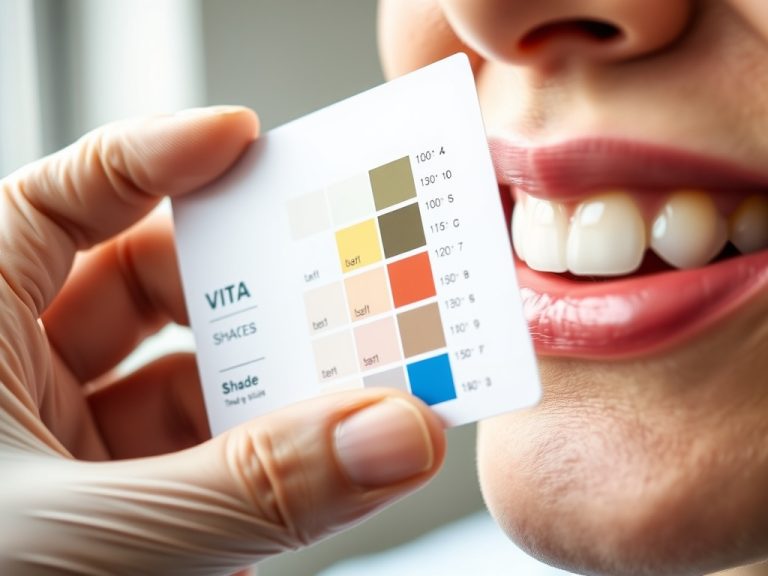
Understanding how shade decisions are made for crowns and veneers is helpful at this stage. Our article on how dentists use shade-matching technology explains the tools and process involved in selecting ceramic shades.
Questions About Make Old Dental Work Match Whiter Smile
For Make Old Dental Work Match Whiter Smile, this part of Questions About Make Old Dental Work Match Whiter Smile focuses on the symptom history, previous treatment, current medicines, and the result the patient values most after the examination is explained, with the same details verified while the options are being narrowed. The clinician should also explain which examination finding supports each recommendation and what information could change it for Make Old Dental Work Match Whiter Smile while risks and alternatives are compared, using the examination and health history rather than a general assumption.
Clinical Checks for Make Old Dental Work Match Whiter Smile
For Make Old Dental Work Match Whiter Smile, this part of Clinical Checks for Make Old Dental Work Match Whiter Smile focuses on confirmed findings, measurements, imaging, and health-history factors when a second opinion is considered, with the same details verified while the options are being narrowed. The clinician should also explain what remains uncertain and whether another test or specialist opinion would alter the plan for Make Old Dental Work Match Whiter Smile when the follow-up plan is written, using the examination and health history rather than a general assumption.
Comparing Options for Make Old Dental Work Match Whiter Smile
For Make Old Dental Work Match Whiter Smile, this part of Comparing Options for Make Old Dental Work Match Whiter Smile focuses on benefit, limitations, durability, maintenance, timing, and total cost before temporary care is replaced, with the same details verified while the options are being narrowed. The clinician should also explain how each choice preserves tooth structure or tissue and what backup treatment may be needed for Make Old Dental Work Match Whiter Smile as the treatment sequence is documented, using the examination and health history rather than a general assumption.
Timing and Recovery for Make Old Dental Work Match Whiter Smile
For Make Old Dental Work Match Whiter Smile, this part of Timing and Recovery for Make Old Dental Work Match Whiter focuses on the order of diagnosis, preparation, treatment, healing, adjustment, and review while recovery expectations are clarified, with the same details verified while the options are being narrowed. The clinician should also explain how work, travel, eating, driving, exercise, or caregiving may be affected for Make Old Dental Work Match Whiter Smile after the examination is explained, using the examination and health history rather than a general assumption.
Home Care and Follow-Up for How to Make Old Dental Work Match a Whiter Smile
For Make Old Dental Work Match Whiter Smile, this part of Home Care and Follow-Up for How to Make Old Dental focuses on safe cleaning tools, foods, products, and daily techniques when the diagnosis is confirmed, with the same details verified while the options are being narrowed. The clinician should also explain which changes are expected and which should prompt an earlier call for Make Old Dental Work Match Whiter Smile before the final recommendation is accepted, using the examination and health history rather than a general assumption.
Planning Notes for Make Old Dental Work Match Whiter Smile
The urgency of How to Make Old Dental Work Match a Whiter Smile depends on how quickly symptoms are changing and whether swelling, fever, trauma, bleeding, or loss of function is present. For How to Make Old Dental Work Match a Whiter Smile, breathing difficulty, swallowing difficulty, spreading facial swelling, or uncontrolled bleeding requires prompt professional attention after the examination is explained.
Solving the Mismatch: Your Options
Option 1: Whiten First, Then Replace the Restoration
If the old restoration is already due for replacement (due to age, wear, or margin concerns), whitening your natural teeth first — then having the new restoration shaded to match — is often the most efficient path. Dentists generally recommend waiting 2–4 weeks after whitening before taking shade for a new crown or veneer, as whitened enamel can temporarily appear lighter than its settled color.
Option 2: Replace Only the Visible Restoration
If your natural teeth are already at a shade you are happy with, the restoration can be replaced and shaded to match. This approach works well when only one or two front restorations are mismatched.
Option 3: Do Nothing and Monitor
If the mismatch is subtle and the restoration is in good condition, some patients choose to monitor it rather than replace it. A dentist can advise whether the restoration is still functionally sound.
Option 4: Veneers or Bonding as a Full-Smile Solution
For patients who want a uniform shade change across multiple visible teeth — especially if several old restorations are present — porcelain veneers or composite bonding can create a consistent result across the smile zone.
| Approach | Best Suited For | Key Consideration |
|---|---|---|
| Whiten, then replace restoration | Restoration due for replacement | Wait 2–4 weeks post-whitening before shade selection |
| Replace visible restoration only | Single mismatch, satisfied with current shade | Match to current natural tooth shade precisely |
| Porcelain veneers | Multiple front teeth needing uniformity | Higher investment; irreversible enamel preparation in most cases |
| Composite bonding refresh | Minor mismatch on bonded teeth | Shorter lifespan than porcelain; may need repeating |
Planning Around Budget and Timing
The most common mistake is whitening after old restorations are already placed — or replacing restorations before deciding whether you want a whiter smile. Sequencing matters:
- Decide on your target shade before any whitening or new restoration work begins.
- Whiten natural teeth first if you want to change your baseline shade.
- Replace mismatched restorations after reaching the desired shade.
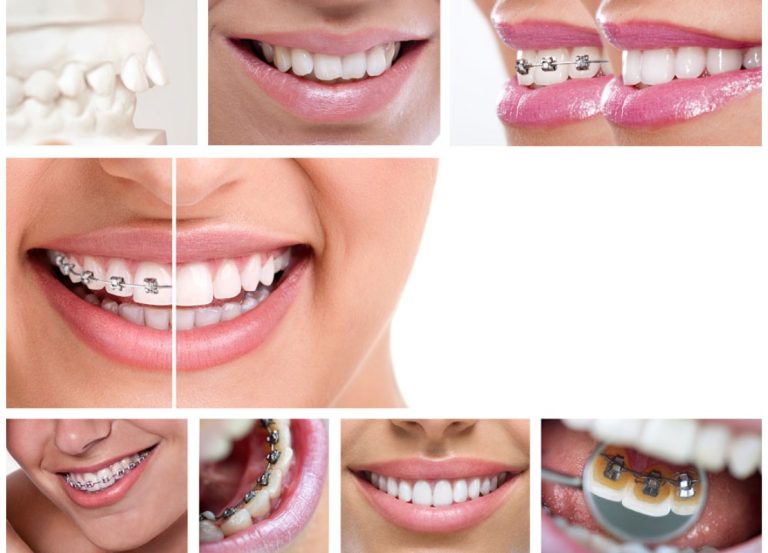
If your concern involves orthodontic alignment alongside cosmetic work — for example, gaps from shifting teeth — you may also want to review your options in our comparison of braces vs clear aligners before committing to cosmetic restorations.
The right starting point is always a conversation with your dentist about the full picture — existing restorations, their condition, your shade goals, and your timeline. That assessment typically takes only a single consultation appointment.
[TABLE]