

Virtual Dental Consultation vs In-Person Consultation: When Each Works Best
Virtual dental consultations can address a real but limited range of questions — they work well for preliminary assessments, pre-appointment anxiety, and follow-up questions, but they cannot replace the clinical examination needed to diagnose or treat most dental problems.
Key Takeaways
- Virtual consultations are useful for understanding options, reviewing existing records, and non-urgent concerns.
- Diagnosis requiring X-rays, palpation, or probing cannot be completed remotely.
- Some practices use teledentistry for post-op check-ins and minor concern triage.
- In-person remains the standard for anything beyond information gathering.
What Teledentistry Actually Is
Teledentistry encompasses synchronous (live video) consultations, asynchronous image reviews, and remote monitoring (used in orthodontics and post-surgical follow-up). According to the American Dental Association’s teledentistry policy, it should complement — not replace — traditional in-person care.
Not all ‘virtual dental consultations’ are equal. A video call with a licensed dentist who reviews images you have submitted is meaningfully different from an algorithm-based smile assessment on a direct-to-consumer orthodontic website.
What Virtual Consultations Can Realistically Cover
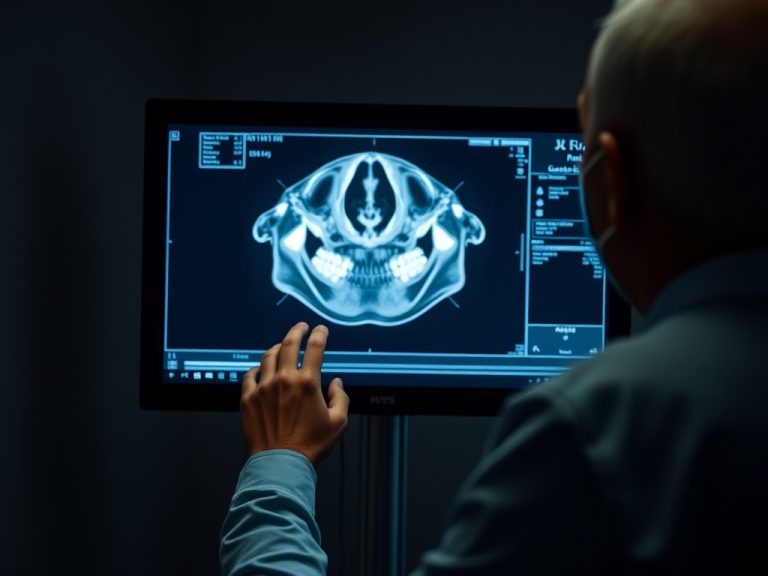
- Reviewing existing records: If you have recent X-rays from another provider, a dentist may be able to review them remotely and discuss what they show.
- Explaining treatment options: Patients considering orthodontics, cosmetic work, or implants can get a framework for decision-making before committing to an in-person appointment.
- Dental anxiety discussions: A virtual meeting with a prospective provider can reduce anxiety about the first in-person visit.
- Post-op monitoring: After extraction or oral surgery, a brief video check-in can help a clinician assess whether healing appears normal.
- Medication questions: Clarifying instructions for antibiotics or pain management following a procedure.
What Requires an In-Person Visit
The limitations of remote assessment are significant. The following can only be reliably evaluated in person:
- Cavity diagnosis: Requires radiographs and direct probing.
- Periodontal evaluation: Pocket depth measurements and bone level assessment require clinical instrumentation.
- Gum disease assessment: Understanding why teeth get loose with gum disease requires hands-on examination of mobility, recession, and bleeding patterns.
- Abscess or infection triage: Swelling, fluctuance, and trismus need direct clinical assessment — remote assessment is not adequate for infection management.
- Restorative work: Fillings, crowns, root canals, and extractions require the patient to be present.
- Any urgent or emergency issue: Pain, trauma, swelling, or broken teeth are in-person situations.
Questions About Virtual Dental Consultation vs In-Person Consultation
For Virtual Dental Consultation vs In-Person Consultation, this part of Questions About Virtual Dental Consultation vs In-Person Consultation focuses on the symptom history, previous treatment, current medicines, and the result the patient values most before temporary care is replaced, with the same details verified before treatment is scheduled. The clinician should also explain which examination finding supports each recommendation and what information could change it for Virtual Dental Consultation vs In-Person Consultation as the treatment sequence is documented, using the examination and health history rather than a general assumption. Recording that explanation gives the patient a clearer next step for Virtual Dental Consultation vs In-Person Consultation before temporary care is replaced, especially when follow-up duties are reviewed before treatment is scheduled.
Questions About Virtual Dental Consultation vs In-Person Consultation During Planning
For Virtual Dental Consultation vs In-Person Consultation, this part of Questions About Virtual Dental Consultation vs In-Person Consultation During Planning focuses on the symptom history, previous treatment, current medicines, and the result the patient values most while recovery expectations are clarified, with the same details verified before treatment is scheduled. The clinician should also explain which examination finding supports each recommendation and what information could change it for Virtual Dental Consultation vs In-Person Consultation after the examination is explained, using the examination and health history rather than a general assumption.
Questions About Virtual Dental Consultation vs In-Person Consultation Before Treatment
For Virtual Dental Consultation vs In-Person Consultation, this part of Questions About Virtual Dental Consultation vs In-Person Consultation Before Treatment focuses on the symptom history, previous treatment, current medicines, and the result the patient values most when the diagnosis is confirmed, with the same details verified before treatment is scheduled. The clinician should also explain which examination finding supports each recommendation and what information could change it for Virtual Dental Consultation vs In-Person Consultation before the final recommendation is accepted, using the examination and health history rather than a general assumption.
Questions About Virtual Dental Consultation vs In-Person Consultation At Follow-Up
For Virtual Dental Consultation vs In-Person Consultation, this part of Questions About Virtual Dental Consultation vs In-Person Consultation At Follow-Up focuses on the symptom history, previous treatment, current medicines, and the result the patient values most as the long-term result is reviewed, with the same details verified before treatment is scheduled. The clinician should also explain which examination finding supports each recommendation and what information could change it for Virtual Dental Consultation vs In-Person Consultation before temporary care is replaced, using the examination and health history rather than a general assumption.
Questions About Virtual Dental Consultation vs In-Person Consultation For Long-Term Care
For Virtual Dental Consultation vs In-Person Consultation, this part of Questions About Virtual Dental Consultation vs In-Person Consultation For Long-Term focuses on the symptom history, previous treatment, current medicines, and the result the patient values most before the next appointment is booked, with the same details verified before treatment is scheduled. The clinician should also explain which examination finding supports each recommendation and what information could change it for Virtual Dental Consultation vs In-Person Consultation while the options are being narrowed, using the examination and health history rather than a general assumption.
Questions About Virtual Dental Consultation vs In-Person Consultation During Recovery
When considering Virtual Dental Consultation vs In-Person Consultation: When Each Works Best, ask how smoking, medicines, grinding, hygiene, or earlier dental work could change predictability. Before proceeding with Virtual Dental Consultation vs In-Person Consultation: When Each Works Best, identify the factor that would make the dentist postpone care or recommend another approach as the long-term result is reviewed.
Side-by-Side at a Glance
| Use Case | Virtual Consultation | In-Person Visit |
|---|---|---|
| Reviewing existing X-rays | Yes — if provider accepts images | Yes — standard practice |
| Treatment planning discussion | Yes — for information gathering | Yes — with full examination |
| Diagnosing a cavity | No | Yes |
| Periodontal assessment | No | Yes |
| Orthodontic evaluation | Limited — visual assessment only | Yes — with full records |
| Post-op check-in | Often suitable | Required if complications suspected |
| Dental anxiety discussion | Yes — often helpful first step | Yes |
| Emergency / pain / swelling | No — seek in-person care | Yes — always |
If your reason for considering a virtual consultation is dental anxiety or a difficult past experience, our guide to trauma-informed dental care explains how to identify providers with communication approaches designed for anxious patients.
How to Get the Most From a Virtual Appointment
- Gather any existing records first: X-rays (especially recent ones), photos of the area of concern, and a brief written description of symptoms with their duration.
- Be specific about what you want: information only, a second opinion on a treatment recommendation, or help deciding whether you need to be seen urgently.
- Confirm the provider’s license and whether the consultation is with a licensed dentist — not a non-clinical staff member or AI chatbot.
- Ask explicitly what the virtual consultation cannot assess, so you are not left with a false sense of security about an unexamined problem.
The Role of Virtual Consultations in an Overall Care Plan
The most effective use of virtual dental consultations is as a low-friction entry point — not a replacement for ongoing care. For patients managing cosmetic decisions, virtual appointments can help clarify options before committing time and money to an in-person evaluation. For example, patients considering how to make old dental work match a whiter smile may benefit from a virtual discussion about sequencing before booking multiple appointments.
Similarly, for parents evaluating options for teenagers, a virtual consultation can help clarify whether a situation warrants urgency. Regular in-person checkups remain the foundation of preventive dental care — virtual options are a useful complement, not a substitute.
[TABLE]