
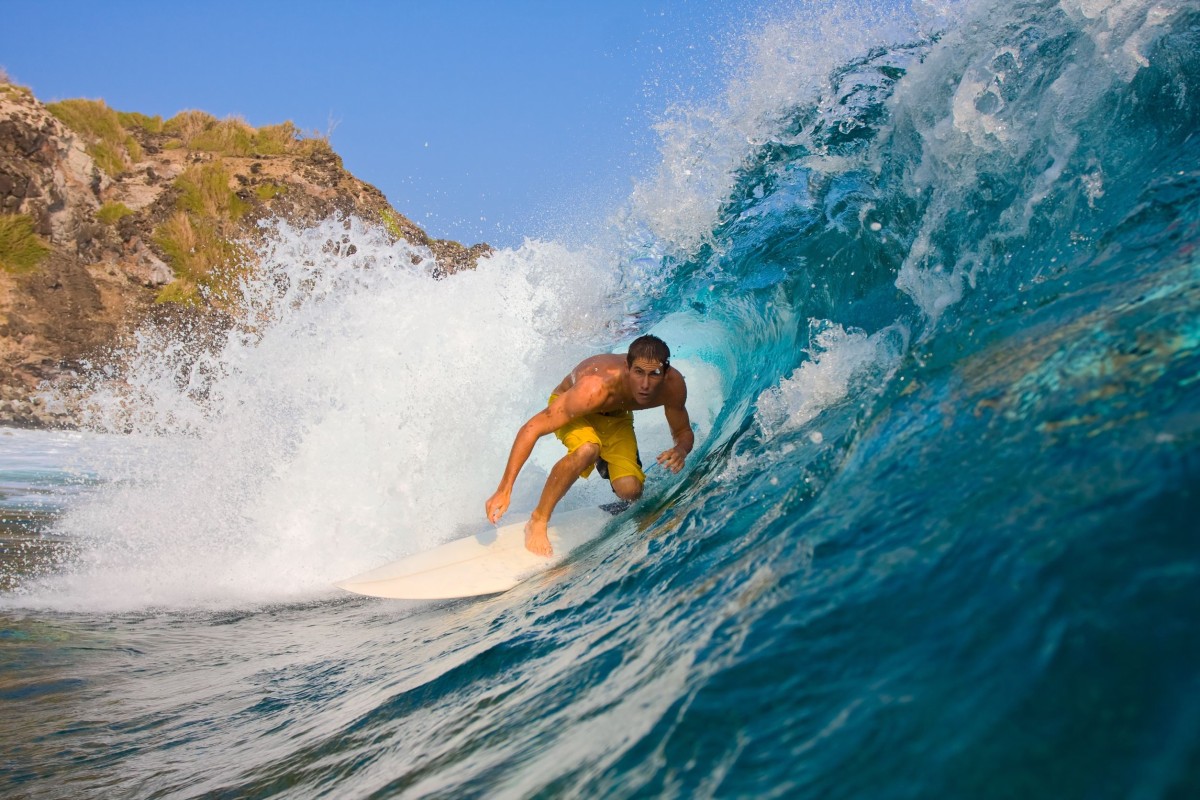
You can begin learning surf pop-ups and wave timing on land by rehearsing the takeoff movement, reading imaginary wave cues, and building rhythm before adding water variables. The goal is not to pretend land practice replaces the ocean; it is to make your first real takeoffs less rushed and more repeatable.
Key takeaways
- Land drills help beginners separate movement quality from wave pressure.
- The best pop-up is smooth, compact, and matched to the board’s line down the wave.
- Progress is measured by consistency, foot placement, balance on landing, and calm decision-making.
For useful context, this article connects with nutrition myth guide on Orbit Digest, and it is supported by guidance such as Surfing Australia safety guidance.
Start with the movement, not the ocean
A surf pop-up is the transition from lying prone to standing in a stable surf stance. On a wave, that movement happens while the board is moving, the nose is dropping, and the rider has only a small timing window. On land, you can slow the pattern down and build clean mechanics.
Place a yoga mat or tape outline on the floor to represent the board. Lie with your chest lifted, hands beside the lower ribs, and eyes looking forward. Press through the hands, bring the lead foot between the hands, land softly, and finish with knees bent and weight centered. Avoid jumping too high, because a real surfboard rewards low, controlled movement.
Beginners often rush to stand tall. A better cue is “chest quiet, feet quick, knees soft.” Your upper body should not twist wildly during the pop-up. The front foot should not land too far across the centerline, and the back foot should not drag slowly behind.
Add timing cues before speed
Wave timing is the judgment of when to paddle, when to commit, and when to pop up. Land practice cannot reproduce the feel of the wave lifting the tail, but it can train decision cues. Use a simple verbal sequence: paddle, glide, press, feet, trim. Repeat it until the movement feels less like panic and more like rhythm.
Video is useful here. Watch beginner-friendly surf clips and pause just before the rider stands. Ask what changed: did the board accelerate, did the nose angle down, did the rider stop paddling, did the wave face steepen? This builds pattern recognition that later supports real-water coaching. See also International Surfing Association for additional context.
For safety and ocean awareness, pair pop-up practice with reputable surf safety guidance and local instruction. Land practice should prepare the body; a qualified instructor and lifeguarded beach help manage conditions, etiquette, and risk.
A practical three-week land progression
Week one should be slow and technical. Do three sets of six pop-ups, resting enough to keep every repetition clean. Add balance holds in surf stance for twenty seconds at a time. The aim is reliable foot placement, not fatigue.
Week two can add rhythm. Use a timer or metronome and move from prone to stance on a cue. Add a low squat hold after each pop-up to check stability. If your feet land in a different place every time, slow down again.
Week three can include mild pressure. Ask a friend to call random cues such as “left,” “right,” or “wait.” On “wait,” stay low and do not pop. On “left” or “right,” pop up and turn your head and shoulders toward the imagined open face. This teaches patience and direction without needing a wave. A related Orbit Digest resource is rowing machine article.
| Drill | Purpose | What good looks like |
|---|---|---|
| Slow pop-up reps | Build mechanics | Feet land in the same stance without wobbling |
| Cue-based timing | Practice decision rhythm | You wait, commit, or reset on command |
| Low stance holds | Improve balance | Knees stay soft and eyes look forward |
Mistakes that carry into the water
The biggest land-to-water mistake is practicing a movement that would rock the board. Excessive knee tucking, wide hand placement, and landing with straight legs can feel powerful on the floor but unstable on water. Another mistake is never practicing the paddle-to-pop transition; real takeoffs begin before the hands press down.
Coaching cues should stay simple. Look where you want to go. Keep the hands low and close. Bring the front foot under the chest. Land softly. Stay compressed for the first second. Those cues leave space for feedback from the board and wave.
Readers who want to connect dry-land practice with broader preparation can use the site’s nutrition myth guide for recovery basics and the rowing machine article for low-impact conditioning ideas that do not replace surf-specific coaching. Readers can also compare this with officiating pressure guide.
Land Practice Scorecard
The best dry-land routine is measurable. After each session, note how many clean pop-ups you completed, whether the front foot landed under the chest, whether the back foot landed across the board line, and whether you stayed low for one full second. These simple notes reveal progress faster than vague confidence.
Add fatigue carefully. A pop-up performed after twenty sloppy push-ups may build toughness, but it may also rehearse bad technique. Surfing rewards speed under control, not exhausted flopping. Stop a set when foot placement breaks down or the landing becomes noisy and stiff.
Use a phone camera from the side and from the front. You are looking for quiet hands, compact knees, a stable landing, and eyes turning toward the imagined open face. Delete the clips afterward if you prefer, but watching two or three reps can correct mistakes that are hard to feel.
When you move to the water, keep expectations modest. The first goal is not a long ride. The first goal is to recognize the moment the board glides, commit without panic, and land in the same stance you practiced on land.
Example: Turning Floor Reps Into Ocean Readiness
A learner who completes fifty fast but messy pop-ups has not built the same skill as a learner who completes eighteen clean reps with repeatable foot placement. In the water, the second surfer is usually calmer because the body recognizes the movement. Add one cue at a time: first stance, then speed, then timing, then directional head turn. That layered approach keeps practice useful instead of frantic.
Apply the Drill With Patience
Land training works best when it makes the water session less chaotic. Keep a small notebook with three checks: stance, timing cue, and calm landing. Do not add advanced turns, board tricks, or fitness challenges until the basic takeoff is repeatable. A clean pop-up gives a beginner more time to read the wave face, recover balance, and listen to coaching feedback.
Your First Water Session Should Feel Familiar
Use this article as a practical filter: define the situation, choose the smallest useful next step, and avoid letting hype or pressure outrun clear judgment. The better the preparation, the easier it becomes to enjoy the sport, support the athlete, or make a confident decision.
Educational CTA: Keep learning one topic at a time. Revisit the relevant linked guide above, apply one checklist or routine this week, and adjust only after you have observed what actually improves.