
Recurring interior paint failure usually means the surface, moisture condition, product compatibility, or building environment was not corrected before repainting. Recoating alone can hide the symptom for a while, but it rarely fixes the cause.
Key takeaway: Look for moisture, contamination, adhesion issues, movement, and ventilation problems before selecting paint. Repeated peeling or blistering should be treated as a diagnostic issue, not just a finish issue. Surface preparation, cure time, primer compatibility, and room conditions affect results.
Start with the pattern of failure
Paint failure tells a story. Peeling near exterior walls may point toward moisture or temperature differences. Blistering in bathrooms, kitchens, laundry areas, or below roofs may suggest humidity, leaks, or vapor movement. Cracking over joints can indicate movement. Flaking over glossy surfaces may signal poor adhesion. The first step is to map where the problem appears, when it returns, and whether it follows seasons, cleaning routines, or occupancy changes.
Moisture is the usual suspect, but not the only one
Moisture can come from leaks, condensation, damp plaster, wet repairs, slab vapor, failed sealants, plumbing, roof issues, or high indoor humidity. NPS preservation guidance on paint problems is written for historic materials, but the diagnostic habit is broadly useful: identify the condition before choosing a treatment. Interior paint can also fail because the substrate was dusty, chalky, oily, glossy, uncured, incompatible, or previously coated with a product that prevents bonding.
For related planning context, compare this topic with how to build a critical asset list for reliability planning, especially when the same project team is balancing budget, maintenance, and sequencing decisions.
Surface preparation controls adhesion
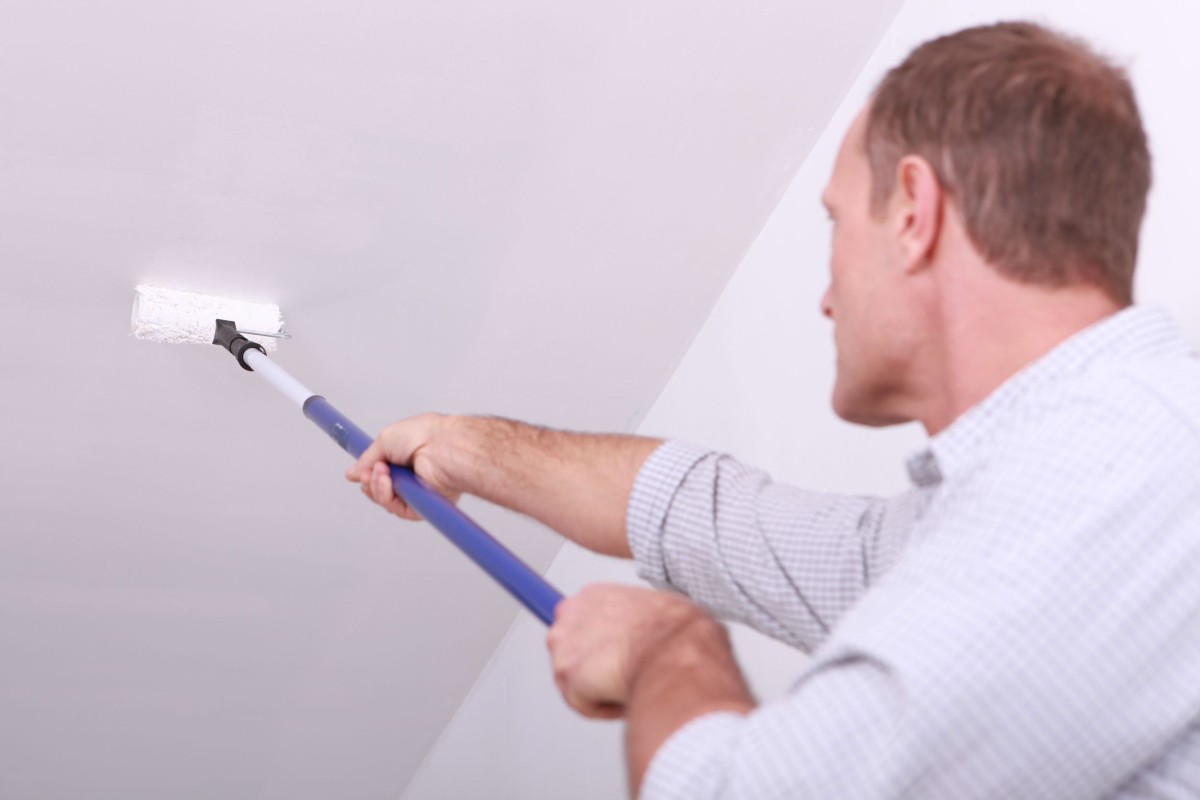
Good paint work is mostly preparation. Surfaces need cleaning, drying, sanding or deglossing where required, patching, priming, and curing. Skipping primer on patched areas can cause flashing. Painting over soap residue, adhesive residue, mildew, or construction dust can cause early failure. Repainting too soon after plaster, joint compound, masonry repair, or water damage can trap moisture.
| Planning item | What to check | Why it matters |
|---|---|---|
| Scope boundary | Systems, locations, responsible parties, and exclusions | Prevents assumptions from becoming field conflicts |
| Access and safety | Routes, isolation points, fall or energy hazards, and supervision | Keeps routine work from becoming risky work |
| Documentation | Photos, records, tickets, drawings, tags, or checklists | Makes later troubleshooting faster and more defensible |
| Maintenance impact | Inspection frequency, replacement access, and owner responsibilities | Keeps the solution useful after construction ends |
For a higher-authority reference point, review NPS preservation briefs library and adapt the guidance to the project jurisdiction, contract documents, and qualified professional direction.
Room conditions affect curing
Paint needs appropriate temperature, ventilation, and humidity during application and curing. In occupied buildings, crews may work at night or during short shutdowns, which can reduce drying time before spaces reopen. HVAC setbacks, closed rooms, cold exterior walls, or high humidity can all affect finish quality. These are not excuses for poor workmanship; they are planning conditions that need to be controlled.
Look beyond the wall finish
Recurring paint failure often connects to envelope, HVAC, plumbing, cleaning, or maintenance practices. A wall below a roof leak will not perform until the leak is resolved. A stairwell with condensation needs airflow and temperature review. A corridor cleaned aggressively may need a more durable coating system. The finish specification should match the abuse level and environment.
The same asset-care thinking also connects to Building shutdown and startup checklists for holidays and breaks, because long-term maintenance depends on decisions made during design and construction.
A second useful reference is NPS paint problem guidance, which can help teams check definitions, procedures, or compliance-sensitive assumptions before finalizing scope.
When to investigate deeper
If paint fails repeatedly after proper preparation, bring in qualified professionals to evaluate moisture, substrate condition, ventilation, and hidden damage. Destructive testing may be necessary in severe cases, but many issues can be narrowed through moisture readings, visual inspection, maintenance records, and conversations with occupants.
A practical diagnostic sequence
Begin with the least destructive checks. Review maintenance history, leak reports, cleaning products, prior coating records, room humidity complaints, and whether the same wall has failed before. Inspect the surface for powdering, glossy residue, stains, cracking, soft substrate, mildew, or loose patching compound. Moisture readings can help, but they should be interpreted by someone who understands the substrate and equipment limitations.
Once the cause is understood, write a repair scope that matches the diagnosis. That may include fixing a leak, improving ventilation, allowing longer drying time, removing incompatible coatings, using a bonding primer, patching damaged substrate, or selecting a coating with better scrub resistance. The key is sequencing. Paint should be the last visible step, not the first attempted solution.
Interior paint diagnosis checklist
Use a short field checklist: confirm the existing condition, assign responsibility, document hidden details before cover-up, verify safety controls, record decisions, and schedule the first maintenance review. Keep the checklist specific enough for crews to use without guessing.
Documentation for future repainting cycles
Keep a simple finish history for problem areas. Record the substrate, primer, topcoat, batch or product family where available, surface preparation method, moisture readings if taken, room conditions, and the date work was completed. This record helps future crews avoid repeating the same approach after another failure. It also helps managers see whether the issue is isolated to one wall or part of a wider building condition.
Paint repair mistakes to avoid
Do not repaint over damp, dirty, glossy, dusty, or unstable surfaces and expect a lasting result. Avoid using a more expensive coating to compensate for an unresolved leak or condensation problem. Also avoid patchwork repairs that ignore surrounding wall conditions, because different porosity, texture, or primer use can leave visible flashing.
Fix the cause before choosing another coating
The best next step is to document the current condition, define the risk clearly, and involve qualified professionals when code, safety, structural, environmental, or operational consequences are involved. This article is for informational and educational purposes only and does not constitute engineering, legal, compliance, safety, or project management advice.