
The best dehumidifier is sized for the moisture load and room conditions, not simply the largest unit you can buy. Portable models suit single rooms and basements with manageable humidity, while whole-home systems make more sense when excess moisture affects multiple connected spaces. Active leaks must be repaired first.
TL;DR: Measure relative humidity, fix water intrusion, choose capacity based on room size and dampness, prioritize continuous drainage for basements, use bathroom exhaust during showers, and look for independently certified energy performance when comparing models.
Dehumidifier Options at a Glance
| Dehumidifier type | Best fit | Strength | Watch for |
|---|---|---|---|
| Small portable | Bathroom-adjacent rooms, closets, small damp spaces | Easy to move and low initial complexity | Small tanks need frequent emptying |
| Mid-size portable | Typical basements and larger rooms | Good balance of capacity and portability | Noise, drain routing, defrost performance |
| Large portable | Very damp basements or laundry zones | Higher daily moisture removal | More power, heat, noise, and bulk |
| Whole-home | Moisture across multiple rooms | Ducted, centralized control | Professional sizing and installation |
Capacity labels are tested under standardized conditions, but real performance depends on temperature, humidity, airflow, and the amount of moisture entering the space.
Measure Humidity Before Shopping
A basic hygrometer can show whether the room is actually humid and how conditions change through the day. epa’s mold and moisture guidance recommends keeping indoor relative humidity below 60 percent and, when possible, around 30 to 50 percent. That range is a general indoor-air guideline, not a promise that a dehumidifier alone will prevent every moisture problem.
Take readings for several days in the area where the unit will operate. Basements may change after rain, while bathrooms spike after showers and then dry. If humidity stays high because water is entering through walls, floors, roof leaks, or plumbing, correct the source before treating the air.
Size by Dampness as Well as Square Footage
Two rooms of the same size can need different equipment if one is mildly humid and the other has wet walls or frequent laundry drying. Energy star’s dehumidifier buying guidance organizes recommended capacity around room size and how damp the space feels, which is more useful than square footage alone.
Avoid buying a severely undersized unit that runs continuously without reaching the target. An oversized portable unit can remove moisture quickly, but it may cost more, create more noise, and occupy more space than necessary. Choose the next practical size when the room sits near a capacity boundary or experiences heavy moisture loads.
Basements Benefit From Continuous Drainage
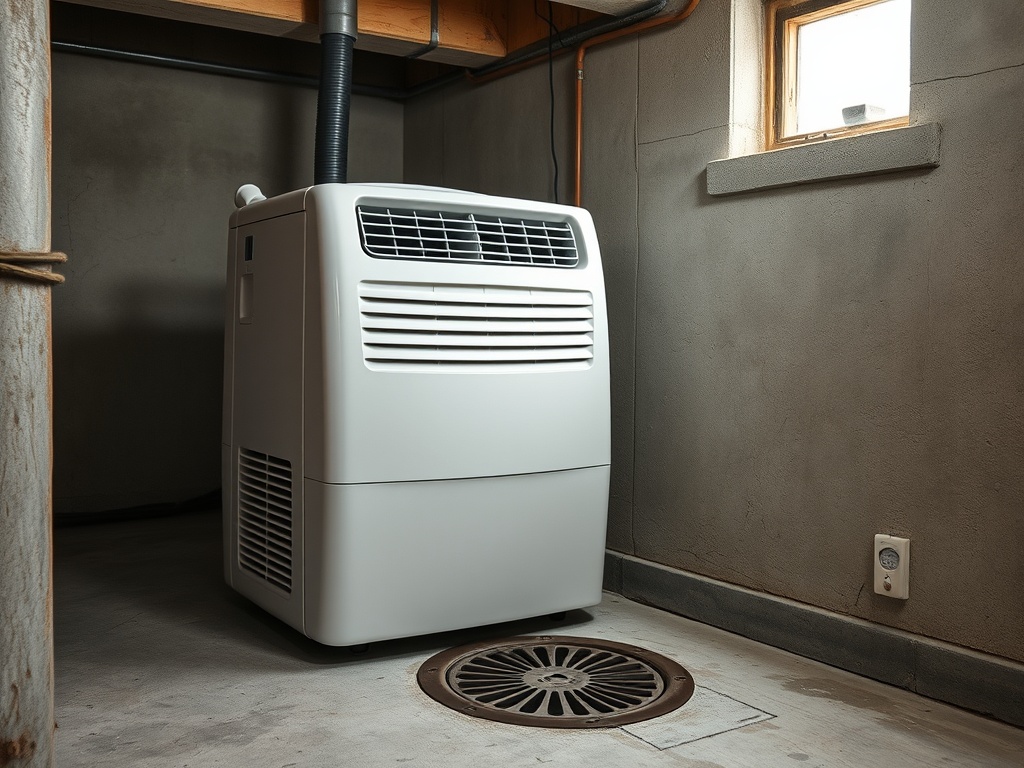
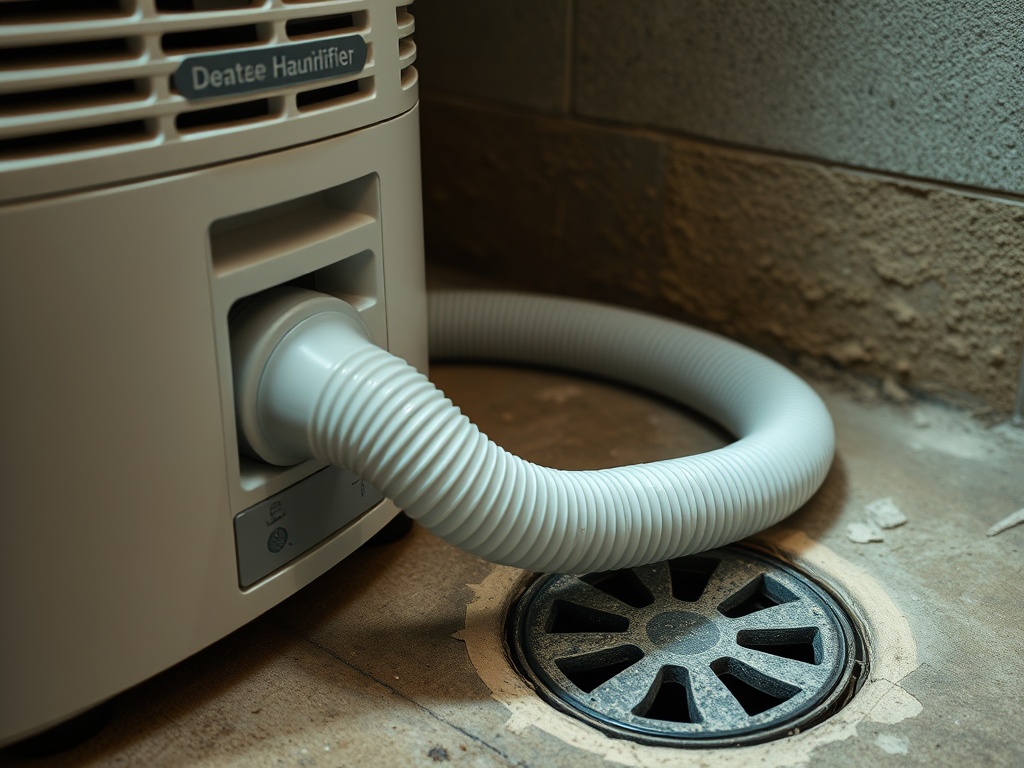
A portable dehumidifier with a bucket works only if someone empties it. In a basement where the unit runs frequently, a gravity drain hose or built-in pump can reduce maintenance. The drain must route to an approved location with proper slope and without creating a trip hazard.
If the hose can freeze, clog, kink, or backflow, address those risks during setup. Keep the unit level and allow the clearances specified by the manufacturer so intake and exhaust airflow are not blocked.
Do not drain water where it can damage the building or violate local plumbing rules. When a permanent drain connection is needed, a plumber or HVAC professional may be appropriate.
Bathrooms Need Ventilation First
A bathroom dehumidifier can help where humidity lingers, but it should not replace a properly operating exhaust fan when one is required or practical. Run the fan during bathing and long enough afterward to clear moisture, and keep the door or other makeup-air path consistent with the fan design.
Portable dehumidifiers also need safe electrical placement. Keep them away from tubs, showers, and splash zones and follow the manufacturer instructions for outlets, extension cords, and ground-fault protection. Bathrooms have special electrical requirements in many jurisdictions, so do not improvise power arrangements.
Look for ENERGY STAR Certification and Useful Controls
ENERGY STAR notes that certified dehumidifiers use more efficient refrigeration coils, compressors, and fans than comparable conventional units. Its current certified dehumidifier product finder lets shoppers compare portable and whole-home models by capacity and efficiency.
Useful controls include an adjustable humidistat, automatic restart after a power interruption, full-bucket shutoff, defrost behavior for cooler spaces, filter reminders, and continuous-drain capability. Wi-Fi control can be convenient but should not outweigh reliability, drainage, or basic humidity control.
If a connected model is used, apply the same password and update habits described in the guide to smart security cameras, because any internet-connected appliance adds another account and software layer to maintain.
Cold Basements Change Performance
Refrigerant dehumidifiers can lose efficiency in cooler rooms because coils may frost. Many modern units include automatic defrost, but operating temperature limits still vary. Check the manufacturer’s minimum temperature specification and consider whether the basement gets much cooler in winter.
If moisture is mainly seasonal, you may not need year-round operation. Monitor humidity and run the unit when conditions justify it. If the basement is cold because of broader insulation, air-sealing, or water problems, those building issues may deserve attention before adding more equipment.
Noise Matters When the Room Is Occupied
A dehumidifier in a finished basement office or bedroom area can become annoying even when it performs well. Compare published sound information when available and consider where the exhaust fan points. Placing the unit away from a desk or bed may make a larger difference than a small specification difference.
Do not bury the unit behind furniture to hide the noise; blocked airflow can reduce performance. Rubber feet or a stable level surface may reduce vibration if the manufacturer permits them, but avoid soft surfaces that obstruct intake or create instability.
Maintenance Determines Long-Term Performance
Clean or replace the air filter on the schedule in the manual. Dust reduces airflow and can make the unit work harder. Wash the bucket periodically, inspect drain hoses for buildup or kinks, and keep intake and exhaust grilles clear.
If the unit develops ice outside normal defrost operation, leaks, trips a circuit, smells electrical, or cannot lower humidity despite correct sizing and setup, stop and troubleshoot according to the manual or contact service. A dehumidifier should not be used to mask sewage, flooding, or extensive mold contamination.
Moisture checks should also include nearby plumbing and utility equipment. The guide to water heater maintenance explains how routine inspection can reveal leaks or corrosion before they create a larger damp-area problem.
Do Not Use a Dehumidifier to Hide Water Intrusion
Efflorescence, active seepage, wet carpet edges, swollen baseboards, or repeated puddles indicate a water-management problem. A dehumidifier can dry the air after the source is controlled, but it cannot waterproof a foundation, repair a leaking pipe, or correct a failed drain.
If visible mold covers a substantial area, the moisture source is unknown, or contaminated water is involved, professional assessment may be appropriate. EPA guidance prioritizes moisture control because drying the air without fixing the water source allows the problem to return.
Pick the Simplest Unit That Solves the Measured Problem
For many basements, a portable ENERGY STAR-certified unit with adequate capacity and continuous drainage is the practical choice. For a bathroom, effective exhaust ventilation may solve most of the problem, with a portable unit reserved for persistent humidity in adjacent spaces. For widespread whole-house moisture, ducted dehumidification deserves professional sizing.
Measure first, repair leaks, compare certified capacity and efficiency, plan drainage, and choose controls you will actually use. That process is more reliable than buying the biggest “basement” model on a product page.
Home and garden content is for informational and educational purposes only and does not constitute mold-remediation, HVAC, electrical, plumbing, structural, medical, or legal advice. Follow manufacturer instructions and local codes.
Place a hygrometer in the dampest room for several days and record morning and evening readings before choosing a dehumidifier capacity.